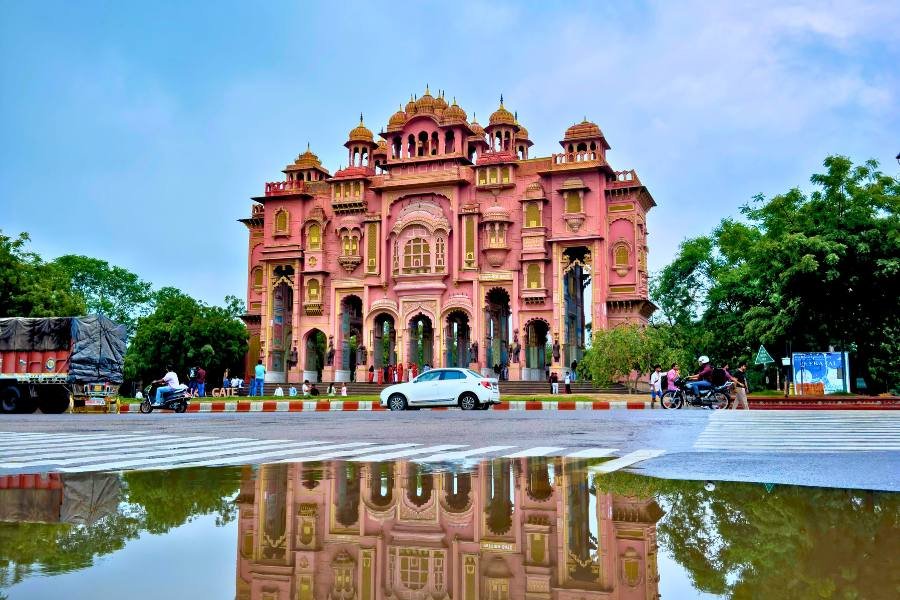
Can You Visit Agra, Jaipur, and Delhi in 5 Days? A Complete Golden Triangle Travel Guide
Planning a trip to India's most famous historical destinations but have only five days to spare? The good news is that you can explore Delhi, Agra, and Jaipur in five days with a well-planned itinerary. These three incredible cities form India's popular Golden Triangle tourist circuit, offering a fascinating combination of Mughal architecture, royal palaces, colorful markets, cultural experiences, and delicious local cuisine. Whether you are visiting India for the first time, traveling with family, planning a romantic getaway, or exploring the country's heritage with friends, five days can be enough to experience the highlights of all three destinations.
The secret to enjoying Agra, Jaipur, and Delhi in 5 Days is to organize your route carefully, prioritize the most important attractions, and avoid spending unnecessary hours traveling between cities. Delhi introduces you to India's capital and its remarkable history, Agra offers the unforgettable beauty of the Taj Mahal, and Jaipur welcomes you with its magnificent forts, royal palaces, and vibrant Rajasthani culture. Each destination has a unique personality, making this journey an exciting introduction to northern India.
In this guide, you will discover the best five-day itinerary, recommended attractions, transportation options, accommodation suggestions, approximate travel times, budget considerations, and practical tips to help you make the most of your holiday.
Why Choose the Golden Triangle Tour for a Five-Day Trip?
India's Golden Triangle is one of the country's best-known travel routes because it connects three destinations with very different cultural and historical identities. Delhi, Agra, and Jaipur form a triangle on the map, making it possible to combine the cities into one memorable holiday. The journey introduces travelers to ancient architecture, imperial history, traditional handicrafts, religious landmarks, and the everyday rhythm of Indian life.
Delhi is the ideal starting point for many international visitors because it has a major international airport, extensive transport connections, and a wide choice of hotels. The city offers famous landmarks such as India Gate, Humayun's Tomb, Qutub Minar, and the historic streets of Old Delhi. Agra, located in Uttar Pradesh, is best known for the Taj Mahal, although its impressive Agra Fort and other Mughal monuments deserve attention as well. Jaipur, the capital of Rajasthan, completes the experience with its grand forts, historic observatories, traditional markets, and distinctive pink-hued architecture.
One of the biggest advantages of this route is its flexibility. You can travel by private car, train, or a combination of transport options depending on your budget and preferred travel style. Families may appreciate a private vehicle, while independent travelers might prefer trains between major cities. With a realistic schedule, you can experience the main attractions without turning the entire holiday into a race against the clock.
The Best 5-Day Itinerary for Delhi, Agra, and Jaipur
The most practical itinerary begins in Delhi, continues to Agra, and then moves to Jaipur before returning to Delhi or departing from another suitable airport. This order minimizes unnecessary backtracking for travelers who arrive in the capital and need to return there for their international flight.
| Day | Destination | Main Attractions | Overnight Stay |
|---|---|---|---|
| Day 1 | Delhi | India Gate, Jama Masjid area, Red Fort exterior, Qutub Minar | Delhi |
| Day 2 | Delhi to Agra | Humayun's Tomb or another Delhi attraction, travel to Agra, Agra Fort | Agra |
| Day 3 | Agra to Jaipur | Taj Mahal at sunrise, Fatehpur Sikri if time permits, drive to Jaipur | Jaipur |
| Day 4 | Jaipur | Amber Fort, Hawa Mahal, City Palace, Jantar Mantar | Jaipur |
| Day 5 | Jaipur to Delhi | Local shopping or a short morning visit, return to Delhi | Departure or Delhi |
This itinerary covers the major highlights while leaving some room for meals, breaks, and transportation delays. However, the fifth day can feel rushed if your international flight departs early or traffic is heavy. If possible, arrange your departure for the evening or stay an additional night in Delhi. Travelers with limited mobility or young children may also prefer to remove one or two attractions rather than attempting to follow every scheduled stop.
Day 1: Discover the Historic and Modern Sides of Delhi
Begin your journey in Delhi, a city where centuries of history meet modern urban life. After breakfast, head toward Old Delhi to experience the area's historic streets, traditional markets, and Mughal-era landmarks. Jama Masjid is one of the most prominent religious buildings in the city and provides a fascinating introduction to Mughal architecture. Nearby Chandni Chowk is famous for its busy lanes, food shops, spice markets, and traditional businesses, making it an excellent place to experience the local atmosphere.
The Red Fort is another important landmark in this part of the city. Built during the reign of Mughal emperor Shah Jahan, the fort is a UNESCO World Heritage Site and an enduring symbol of India's historical heritage. Depending on your interests and available time, you can explore the complex or admire the impressive exterior before moving to another attraction. Allow extra time for traffic and security procedures, particularly during busy periods.
In the afternoon, explore central or southern Delhi. India Gate is a popular stop for photographs and a short walk around the surrounding area. If you prefer historical architecture, Humayun's Tomb and Qutub Minar are excellent alternatives, although visiting both alongside several Old Delhi attractions can make the day demanding. Choose the landmarks that interest you most rather than attempting to see every famous site.
Delhi also offers plenty of dining options, from traditional North Indian restaurants to contemporary cafés. Try regional specialties during lunch or dinner, and consider an early night if you have a morning departure planned for Agra. A comfortable start on the second day will make the journey much more enjoyable.
Day 2: Travel from Delhi to Agra and Explore Mughal Heritage
After breakfast, leave Delhi for Agra, which is approximately 230 kilometers away by road from many central Delhi starting points. Depending on traffic, your exact pickup location, and road conditions, a private car journey commonly takes around three to four hours. Trains are another convenient option, and some services can make the trip faster than traveling by road. Check current schedules and ticket availability before selecting your departure.
Once you arrive in Agra and settle into your hotel, visit Agra Fort if time permits. This impressive red sandstone fortress served as an important residence and administrative center for Mughal rulers. Inside the complex, you will discover courtyards, palaces, audience halls, and architectural details that reveal the power and sophistication of the Mughal Empire. The fort also provides historical context for understanding the rulers associated with the Taj Mahal.
If you have additional time, consider visiting Mehtab Bagh, a garden across the Yamuna River that offers views toward the Taj Mahal. The experience can be especially attractive for photographers who want to appreciate the monument from a different perspective. Check current access conditions and sunset timing before planning your visit.
Agra is also known for its handicrafts, marble-inlay work, leather goods, and local sweets. If shopping interests you, choose reputable stores, compare prices, and clarify whether an item is handmade before purchasing. Keep the evening relaxed because the Taj Mahal is best experienced early the following morning, when temperatures and visitor conditions may be more comfortable.
Day 3: Watch the Sunrise at the Taj Mahal and Travel to Jaipur
The Taj Mahal is the highlight of Agra for many travelers and a major reason people visit this part of India. Built by Mughal emperor Shah Jahan in memory of Mumtaz Mahal, the white marble mausoleum is recognized worldwide for its symmetry, intricate decorative details, and elegant gardens. Seeing the monument in the morning light is an unforgettable experience, although actual sunrise access depends on official opening hours, the season, and local conditions.
Arrive early enough to complete entry procedures and explore the complex without feeling rushed. Spend time appreciating the marble inlay, calligraphy, architectural proportions, and the carefully designed surroundings. Photography is popular, but taking a few moments to appreciate the monument without a camera can make the visit more meaningful. Check current ticket prices, opening rules, and the weekly closure schedule before finalizing your plan.
After visiting the Taj Mahal and returning to your hotel for breakfast, begin the journey toward Jaipur. The road distance is approximately 240 kilometers, depending on your route and starting point, and the journey often takes around four to five hours without substantial delays. Travelers who enjoy history may consider a stop at Fatehpur Sikri, the former Mughal capital and another UNESCO World Heritage Site. However, adding this stop increases the travel time, so include it only if your departure from Agra is early enough.
Arrive in Jaipur in the afternoon or evening, check into your accommodation, and enjoy a relaxed dinner. You may want to sample Rajasthani dishes such as dal baati churma or gatte ki sabzi at a suitable restaurant. After two busy days, getting enough rest will help you enjoy Jaipur's forts and palaces the next morning.
Day 4: Explore Jaipur's Royal Palaces, Forts, and Markets
Jaipur is famous for its royal heritage, distinctive architecture, and lively shopping streets. Begin your day at Amber Fort, a magnificent hilltop complex located outside the main city center. Its courtyards, grand gateways, decorated halls, and panoramic surroundings make it one of the most rewarding attractions in Rajasthan. Give yourself sufficient time to explore the fort, and consider hiring an authorized guide if you want to understand the history and architectural features in greater detail.
After Amber Fort, return toward the city to see Hawa Mahal, often called the Palace of Winds. Its distinctive façade features numerous small windows and an elaborate design that has become one of Jaipur's most recognizable images. Many visitors photograph the building from the street, while those with additional time can explore the permitted interior areas. The surrounding neighborhood also offers access to traditional shops and local food establishments.
Continue to the City Palace, where royal courtyards, museum collections, and architectural features offer insight into Jaipur's history. Nearby, Jantar Mantar is a historic astronomical observatory recognized as a UNESCO World Heritage Site. Its large masonry instruments demonstrate the sophisticated astronomical observations undertaken in the eighteenth century. These attractions are relatively close to one another, making it practical to combine them into the same sightseeing day.
In the late afternoon, explore Jaipur's markets, which are known for textiles, jewelry, handicrafts, blue pottery, and other traditional products. Johari Bazaar and Bapu Bazaar are popular shopping areas, although availability and opening hours vary. Bargain respectfully where appropriate and compare prices before buying expensive items.
For travelers planning Agra, Jaipur, and Delhi in 5 Days, Jaipur deserves a full day because its historic sites are spread across different parts of the city. Avoid scheduling too many additional attractions after sunset if you want to enjoy dinner and prepare for the journey back to Delhi.
Day 5: Return to Delhi and Complete Your Journey
The final day depends largely on your departure arrangements. If you need to fly internationally from Delhi, check the distance between your Jaipur accommodation and your departure airport, and leave a generous buffer for traffic and security procedures. The road journey from Jaipur to Delhi is approximately 270 to 300 kilometers depending on the route and destination within Delhi. Driving commonly takes around five to six hours, but traffic, weather, roadworks, and rest stops can extend the journey.
If your flight departs late in the evening, you may have time for a short morning activity in Jaipur before leaving. Consider a relaxed breakfast, a brief market visit, or a nearby attraction that does not require a lengthy detour. However, do not sacrifice a comfortable airport transfer simply to squeeze in another monument.
Another option is to book a suitable train from Jaipur to Delhi, depending on current schedules and ticket availability. Rail travel can reduce driving fatigue, but you still need to account for transfers between the railway station, your hotel, and the airport. Confirm your final transportation arrangements before leaving Jaipur rather than relying on last-minute availability.
If your travel plans allow you to fly out of Jaipur instead of Delhi, you could avoid the return journey altogether. This option may make the trip more comfortable, especially when international or connecting flights fit your schedule. Compare flight availability and total costs before choosing your arrival and departure cities.
How to Travel Between Delhi, Agra, and Jaipur
Choosing the right transportation is one of the most important parts of planning this journey. Your decision affects the total travel time, flexibility, budget, and overall comfort. Private cars are convenient for travelers who want to visit several attractions along the way, while trains can be attractive for people who prefer to avoid long road journeys.
| Transportation Option | Best Suited For | Advantages | Things to Consider |
|---|---|---|---|
| Private car with driver | Families, couples, and small groups | Flexible stops and convenient hotel transfers | Traffic, parking, tolls, and driver arrangements |
| Train | Independent travelers and couples | Useful connections between major cities | Advance booking and station transfers |
| Intercity bus | Budget-conscious travelers | Different price and comfort options | Travel duration and station locations |
| Domestic flight | Travelers with suitable flight connections | Can save time on selected routes | Airport transfers, baggage, and flight schedules |
A private vehicle is often the simplest option for travelers who want to combine the three cities with a stop at Fatehpur Sikri. Before booking, confirm the vehicle category, luggage capacity, tolls, parking, driver allowance, overnight arrangements, and any additional charges. Ask whether the driver will remain with you throughout the journey or whether local transportation will be arranged separately.
Train travel is worth considering for the Delhi–Agra and Jaipur–Delhi legs. Booking through official railway channels or authorized providers can help you verify schedules and availability. Keep your departure station and arrival station in mind when selecting accommodation, because transfers across a large city can add significant time.
How Much Does a Five-Day Golden Triangle Tour Cost?
The total cost depends on your accommodation category, transportation, monument tickets, meals, shopping, and whether you choose a guided tour. Budget travelers may reduce expenses by using trains, staying in economical hotels, and selecting restaurants with reasonable prices. Travelers who prefer greater comfort may choose private transportation, centrally located hotels, and guided visits at the main attractions.
| Expense | What Affects the Cost |
|---|---|
| Accommodation | Hotel category, location, season, and room type |
| Transportation | Private car, train class, taxis, tolls, and transfers |
| Monument entry | Current admission fees and visitor categories |
| Food | Local eateries, cafés, restaurants, and special meals |
| Guide services | Private guide, group tour, and language preference |
| Shopping | Souvenirs, textiles, jewelry, and handicrafts |
Rather than relying on a single advertised package price, request a detailed breakdown of what is included. Check whether the quote covers hotel accommodation, breakfast, private transfers, monument tickets, parking, tolls, guide services, and taxes. Some tours advertise low starting prices but charge separately for important services.
Traveling during peak tourist periods or major festivals can increase accommodation costs and reduce availability. Booking transport and hotels in advance gives you more choices, particularly if your travel dates are fixed. It is also wise to keep an emergency budget for unexpected transport changes, extra meals, and other incidental expenses.
Best Time to Visit Delhi, Agra, and Jaipur
The cooler months, generally from October through March, are often preferred for sightseeing across the Golden Triangle. Daytime temperatures can be more comfortable for walking around forts, gardens, and historic streets, although winter mornings may bring fog or reduced visibility. Conditions vary each year, so check the weather forecast before your trip.
April and May can be extremely hot, especially in Agra and Jaipur, where outdoor monuments may involve considerable walking. If you travel during this period, schedule outdoor sightseeing early in the morning, carry drinking water, wear breathable clothing, and take breaks in shaded or air-conditioned places. The monsoon season can bring heavy rain and humidity, which may affect road journeys and outdoor plans.
Delhi's winter air quality can also be a concern for some visitors. Check local air-quality reports before traveling, particularly if you have asthma or another respiratory condition. Flexible scheduling, suitable clothing, and realistic expectations will help you enjoy the trip across different seasons.
Essential Travel Tips for a Smooth Five-Day Trip
Planning the Golden Triangle route is easier when you focus on the essentials. Reserve accommodation in advance, especially if you are visiting during a busy tourist season. Confirm monument opening hours and weekly closures, purchase tickets through reliable channels where available, and keep digital copies of your bookings. Starting each day early will give you more time to explore and help reduce the pressure of reaching every attraction before closing.
Pack comfortable walking shoes because forts, gardens, and monument complexes often require walking over uneven ground. Bring sunscreen, a hat, personal medication, a portable charger, and clothing suitable for the season. When visiting religious places, respect local dress requirements and follow instructions about footwear and photography.
Food is an important part of the experience, but travelers with sensitive stomachs should choose clean, reputable establishments and drink safe water. In markets, confirm prices before purchasing goods and use authorized transport services whenever possible. Keep an eye on your belongings in crowded areas, and avoid accepting unsolicited guiding or shopping assistance if you are uncomfortable.
Most importantly, be selective about your attractions. You will enjoy the trip more if you spend meaningful time at the Taj Mahal, Amber Fort, and the major Delhi landmarks instead of trying to see every monument in all three cities. A well-planned itinerary should make the journey feel exciting, not exhausting.
Is Five Days Enough for the Golden Triangle Tour?
Yes, five days are enough to experience the major highlights of Delhi, Agra, and Jaipur, especially if this is your first visit to northern India. You can discover Delhi's historical landmarks, see the Taj Mahal in Agra, and explore Jaipur's royal architecture within one carefully organized itinerary. However, five days will not allow you to see every museum, market, monument, and neighborhood in depth.
Travelers who prefer slow travel may benefit from extending the trip to six or seven days. An additional day in Agra gives you more time for the Taj Mahal, Agra Fort, and other local attractions, while an extra day in Jaipur makes it easier to explore Amber Fort and the city's markets without rushing. More time in Delhi can also accommodate museums, additional historical sites, and local food experiences.
For visitors with limited annual leave or a short stop in India, the five-day circuit offers an excellent introduction to the country's cultural diversity. The key is to accept that this is a highlights tour rather than an exhaustive exploration of every destination.
Conclusion: Plan Your Perfect Five-Day Golden Triangle Journey
Visiting Delhi, Agra, and Jaipur in five days is entirely possible when you organize the route carefully and set realistic expectations. Start in Delhi to explore its historic neighborhoods and famous monuments, travel to Agra for the unforgettable Taj Mahal and Agra Fort, and continue to Jaipur for magnificent palaces, hilltop forts, and traditional markets. Finish by returning to Delhi or arranging a departure from Jaipur, depending on your flight schedule.
The most successful itinerary balances sightseeing with comfortable travel times, good accommodation, and opportunities to experience local food and culture. A private car offers flexibility, while trains can be a practical alternative between major cities. Whichever option you choose, confirm your transport, entry tickets, and hotel reservations before departure.
With a little preparation, Agra, Jaipur, and Delhi in 5 Days can become a memorable Indian holiday filled with remarkable architecture, fascinating history, and colorful cultural experiences. Start planning early, prioritize the places that matter most to you, and leave enough room to enjoy each destination rather than rushing through it.
Frequently Asked Questions (FAQs)
1. Can I visit Delhi, Agra, and Jaipur in five days?
Yes, you can visit all three cities in five days by following a well-organized Golden Triangle itinerary. Spend one to two days exploring Delhi's major attractions, visit Agra for the Taj Mahal and Agra Fort, and dedicate a full day to Jaipur's forts and palaces. Allow sufficient time for intercity travel and your departure arrangements.
2. What is the best order to visit Delhi, Agra, and Jaipur?
For many travelers arriving at Delhi's international airport, the most practical order is Delhi, Agra, Jaipur, and then Delhi for departure. This route follows the traditional Golden Triangle circuit and offers convenient road and rail connections. Your best route may change if you arrive in Jaipur or can depart directly from a different airport.
3. Is a private car better than a train for this trip?
A private car is convenient if you want flexible sightseeing stops, hotel pickups, and the option to visit Fatehpur Sikri along the way. Trains can be economical and comfortable for selected intercity journeys, although you must arrange station transfers. Choose according to your budget, group size, and preferred travel style.
4. How much money should I budget for a five-day Golden Triangle tour?
Your budget depends on hotel standards, transportation, meals, monument entry fees, and guide services. Budget-conscious travelers can save money by using trains and economical accommodation, while private vehicles and premium hotels increase overall costs. Obtain an itemized quote and verify current admission prices before finalizing your travel budget.
5. What is the best month to visit the Golden Triangle in India?
October through March is generally popular because temperatures are often more comfortable for outdoor sightseeing. Winter fog and Delhi's air quality can affect travel conditions, while April and May can be extremely hot. Check the forecast, air quality, and attraction opening information before confirming your itinerary.
For more details about the itinerary, visit Agra, Jaipur, and Delhi in 5 Days.