How Can You Combine the Golden Triangle and Udaipur in 8 Days?
October 30, 2026
How Can You Combine the Golden Triangle and Udaipur in 8 Days?
India is a country where every destination tells a different story. From the bustling streets of Delhi and the timeless beauty of the Taj Mahal to the royal palaces of Jaipur and the romantic lakes of Udaipur, every city offers something special. If you are planning your first trip to India and want to experience its history, architecture, culture, and royal heritage in one holiday, combining the Golden Triangle with Udaipur is an excellent choice.
The Golden Triangle and Udaipur in 8 Days itinerary is a wonderful way to discover four of North India's most fascinating destinations without spending weeks travelling around the country. The Golden Triangle traditionally includes Delhi, Agra, and Jaipur, while Udaipur adds a beautiful Rajasthani experience filled with lakes, grand palaces, colourful markets, and traditional hospitality.
The best part? These destinations complement one another beautifully. Delhi introduces you to India's historical and modern identity, Agra showcases magnificent Mughal architecture, Jaipur reveals the grandeur of Rajput royalty, and Udaipur offers a peaceful atmosphere surrounded by picturesque lakes and the Aravalli Hills.
Why Combine the Golden Triangle with Udaipur?
The Golden Triangle is one of India's most popular travel circuits because it connects three iconic destinations with excellent road, rail, and flight connections. Each city offers a different perspective on Indian history and culture. Delhi is famous for its monuments, bustling bazaars, and diverse food scene. Agra attracts visitors from around the world because of the Taj Mahal, while Jaipur is known for its magnificent forts, royal palaces, and colourful traditions.
Adding Udaipur makes the journey even more rewarding. Often called the City of Lakes, Udaipur is famous for its romantic atmosphere, beautiful waterfront hotels, historic palaces, and traditional Rajasthani experiences. You can enjoy a peaceful boat ride on Lake Pichola, explore the magnificent City Palace, and watch the sunset behind the surrounding hills.
Another advantage of combining these destinations is the variety of experiences. You can explore ancient architecture in the morning, enjoy authentic Indian food in the afternoon, and experience traditional music and dance in the evening. This combination makes the trip suitable for couples, families, international tourists, photographers, and anyone interested in India's cultural heritage.
Detailed 8-Day Golden Triangle and Udaipur Itinerary
Day 1: Explore the Historic Attractions of Delhi
Begin your journey in Delhi, India's capital city. Delhi is a fascinating destination where historic monuments stand alongside modern buildings, shopping centres, and busy commercial streets. After arriving at the airport or railway station, check into your hotel and spend some time relaxing before beginning your sightseeing tour.
Start with a visit to India Gate, an iconic war memorial surrounded by attractive gardens and wide roads. Continue towards Rashtrapati Bhavan and the Parliament area to admire the impressive architecture of New Delhi. You can then visit Humayun's Tomb, a beautiful Mughal monument that is considered an important architectural inspiration for later Mughal buildings.
In the afternoon, explore the historic streets of Old Delhi. Visit Jama Masjid, one of India's largest mosques, and enjoy the lively atmosphere of Chandni Chowk. This market is famous for traditional clothing, jewellery, spices, street food, and local shopping experiences.
If you enjoy food, try some popular Delhi dishes, including chole bhature, parathas, kebabs, and jalebi. Delhi's food culture is an attraction in itself, offering everything from traditional street snacks to fine dining.
Spend the evening at your hotel and prepare for the next day's journey to Agra.
Overnight stay: Delhi.
Day 2: Delhi to Agra – Discover the Taj Mahal
After breakfast, depart for Agra by private car or train. The road journey generally takes around three to four hours, depending on traffic and your starting point. Agra is one of India's most famous tourist destinations because of its remarkable Mughal heritage.
Once you arrive, check into your hotel and prepare for sightseeing. Your first major attraction should be the magnificent Taj Mahal, one of the world's most recognised monuments and a UNESCO World Heritage Site.
Built by Mughal Emperor Shah Jahan in memory of his wife Mumtaz Mahal, the Taj Mahal is an extraordinary example of Mughal architecture. Its white marble exterior, intricate carvings, symmetrical gardens, and beautiful reflecting pools create an unforgettable experience.
Try visiting early in the morning if your schedule allows, as the monument looks especially beautiful in the soft morning light. Remember that the Taj Mahal is closed to visitors on Fridays, so plan your itinerary accordingly.
Later, visit Agra Fort, another UNESCO World Heritage Site. This impressive red sandstone fortress served as an important residence of Mughal emperors. Inside, you can discover elegant courtyards, royal halls, historic mosques, and beautiful views of the Taj Mahal.
You can also explore local markets selling marble handicrafts, leather products, souvenirs, and traditional sweets.
Overnight stay: Agra.
Day 3: Agra to Jaipur via Fatehpur Sikri
After breakfast, leave Agra for Jaipur, the capital of Rajasthan. This journey usually takes approximately four to five hours by road, depending on traffic and sightseeing stops.
On the way, consider visiting Fatehpur Sikri, a historic Mughal city built by Emperor Akbar. The complex is famous for its red sandstone architecture and impressive monuments. Important attractions include Buland Darwaza, Jama Masjid, Panch Mahal, and the Tomb of Salim Chishti.
Fatehpur Sikri offers an excellent opportunity to understand the architectural achievements and history of the Mughal Empire. Walking through its historic courtyards feels like travelling back several centuries.
After sightseeing, continue your drive towards Jaipur. Upon arrival, check into your hotel and relax after the journey.
In the evening, explore the local markets if you have enough time. Jaipur is particularly famous for traditional jewellery, colourful textiles, handicrafts, blue pottery, and block-printed fabrics.
You can also enjoy an authentic Rajasthani dinner featuring dal baati churma, gatte ki sabzi, and ker sangri.
Overnight stay: Jaipur.
Day 4: Discover the Royal Heritage of Jaipur
Jaipur is one of India's most colourful and historically significant cities. Known as the Pink City, it is famous for its grand palaces, impressive forts, traditional markets, and royal Rajput heritage.
Start your morning with a visit to Amber Fort, located on a hill overlooking Maota Lake. This magnificent fort features beautiful courtyards, decorative gateways, royal halls, and intricate mirror work. The Sheesh Mahal, or Hall of Mirrors, is particularly impressive.
Next, visit Jal Mahal, a beautiful palace situated in the middle of Man Sagar Lake. Although visitors generally cannot enter the palace itself, the surrounding viewpoints offer excellent opportunities for photography.
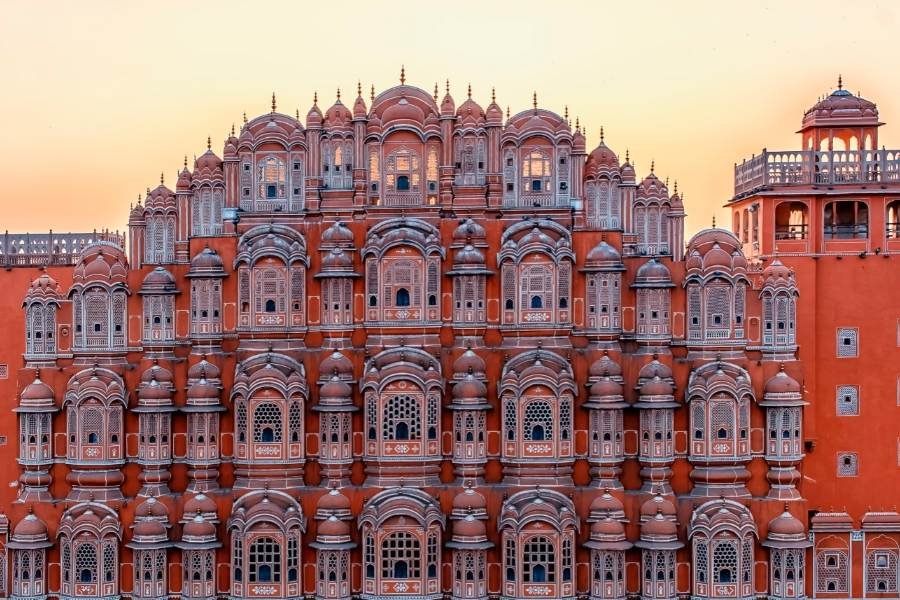
Continue towards Hawa Mahal, also known as the Palace of Winds. Its distinctive pink sandstone façade features numerous small windows designed to allow royal women to observe street activities while maintaining privacy.
Afterwards, explore the City Palace, which remains an important symbol of Jaipur's royal heritage. Its museums, courtyards, traditional architecture, and royal collections provide an interesting glimpse into Rajasthan's history.
Another attraction worth visiting is Jantar Mantar, a UNESCO World Heritage Site featuring remarkable astronomical instruments.
Spend your evening shopping in Johari Bazaar or Bapu Bazaar. These colourful markets are perfect for purchasing traditional jewellery, handicrafts, textiles, and souvenirs.
Overnight stay: Jaipur.
Day 5: Jaipur to Udaipur – Journey to the City of Lakes
After breakfast, begin your journey towards Udaipur. This is one of the longer travel days in your itinerary, with a road journey generally taking around six to seven hours, depending on traffic and road conditions.
Alternatively, you can consider a flight or train connection if the schedule suits your travel plans. Flying is generally the quickest option, while road travel allows you to enjoy the changing landscapes of Rajasthan.
Udaipur welcomes visitors with its romantic atmosphere, historic architecture, and scenic lakes. Unlike the busy streets of Delhi and Jaipur, the city offers a more relaxed environment where you can enjoy beautiful views and traditional hospitality.
After arriving, check into your hotel and spend some time relaxing. If you reach Udaipur early enough, visit Lake Pichola and enjoy the surrounding scenery.
In the evening, take a leisurely walk around the lakefront or enjoy dinner at a rooftop restaurant overlooking the illuminated palaces. Watching the lights reflect across the water creates a magical atmosphere.
Overnight stay: Udaipur.
Day 6: Explore Udaipur's Beautiful Lakes and Palaces
Dedicate your sixth day to discovering the architectural beauty and cultural attractions of Udaipur. Start with the City Palace, one of the city's most impressive landmarks. Located beside Lake Pichola, this grand palace complex features beautiful balconies, courtyards, galleries, decorative windows, and royal museums.
The City Palace offers fascinating views of Lake Pichola and the surrounding Aravalli Hills. You can spend several hours exploring its different sections and learning about the history of the Mewar royal family.
Afterwards, visit Jagdish Temple, a historic Hindu temple known for its beautiful stone carvings and traditional architecture. The temple is dedicated to Lord Vishnu and remains an important religious attraction in Udaipur.
Later, enjoy a boat ride on Lake Pichola. This is one of the most memorable experiences in the city because it allows you to admire the surrounding palaces, ghats, and waterfront buildings from the water.
Depending on the boat route and available services, you may also get views of Jag Mandir, a historic island palace located in the lake.
In the evening, visit Bagore Ki Haveli. This historic haveli is known for its traditional architecture and cultural performances. If available, attend the Dharohar folk dance show to experience traditional Rajasthani music, dance, and colourful costumes.
Overnight stay: Udaipur.
Day 7: Experience Udaipur's Culture, Gardens, and Local Markets
Your seventh day is an opportunity to experience the quieter and more traditional side of Udaipur. Start with a visit to Saheliyon Ki Bari, a beautiful garden featuring fountains, marble structures, and green lawns. Historically associated with the royal women of Mewar, the garden offers a peaceful atmosphere.
Next, explore Fateh Sagar Lake, another popular attraction surrounded by scenic hills and attractive waterfront areas. You can enjoy the views, relax at a lakeside café, or explore the nearby attractions.
If you are interested in local art and history, visit the Shilpgram Crafts Village. This cultural complex showcases traditional handicrafts, rural architecture, textiles, and folk art from different parts of western India. It is a wonderful place to understand the artistic traditions of Rajasthan.
You should also spend some time exploring Udaipur's local markets. Hathi Pol Bazaar is popular for miniature paintings, handicrafts, traditional artwork, and souvenirs. Bada Bazaar is another excellent shopping destination offering jewellery, clothing, and leather products.
Food lovers can enjoy traditional Rajasthani cuisine during their final evening. Try dishes such as dal baati churma, laal maas, ker sangri, and gatte ki sabzi.
End the day with a relaxed dinner overlooking Lake Pichola. After several days of sightseeing, this is the perfect opportunity to enjoy Udaipur's peaceful atmosphere.
Overnight stay: Udaipur.
Day 8: Departure from Udaipur
On your final day, enjoy breakfast at your hotel and prepare for departure. Depending on your flight or train schedule, you may have some time to explore nearby attractions or enjoy a final walk around the lake.
Udaipur has an airport with domestic flight connections, although direct flights and schedules depend on the date of travel. You can also travel by train or road to other major Indian cities.
If you are travelling internationally, you may need to connect through Delhi, Mumbai, or another major airport.
Your eight-day holiday will have introduced you to India's extraordinary diversity, from Mughal monuments and royal forts to peaceful lakes and colourful Rajasthani traditions.
If you want to explore a similar Rajasthan holiday with additional destinations, consider this Golden Triangle and Udaipur in 8 Days travel experience.
Best Transportation Options for the Tour
Transportation plays an important role in making an eight-day holiday comfortable and enjoyable. Since you will be travelling between four major destinations, selecting the right transport option can save valuable sightseeing time.
A private air-conditioned vehicle is one of the most convenient choices for this itinerary. It provides flexibility, allows you to stop at attractions along the way, and makes travelling with luggage much easier. It is particularly useful for the Agra-to-Jaipur journey via Fatehpur Sikri.
Trains are another option, especially for journeys between Delhi and Agra. Indian Railways operates several services on this route, and travelling by train can be a comfortable alternative to road transport.
Flights can also be useful between Jaipur and Udaipur when suitable connections are available. However, always compare total travel time, including airport transfers and waiting periods.
| Travel Route | Recommended Transport | Approximate Travel Time |
|---|---|---|
| Delhi to Agra | Car or train | 2–4 hours |
| Agra to Jaipur | Private car | 4–5 hours |
| Jaipur to Udaipur | Car | 6–7 hours |
| Udaipur to Delhi | Flight or train | Depends on connection |
Travel times are approximate and can vary according to traffic, train schedules, weather, and transport availability.
Best Time to Plan Your Golden Triangle and Udaipur Holiday
The best time to explore Delhi, Agra, Jaipur, and Udaipur is generally between October and March. During these months, temperatures are usually more comfortable for sightseeing, outdoor activities, and exploring historical monuments.
October and November are particularly attractive months because the weather begins to become cooler after the monsoon season. You can comfortably explore forts, palaces, gardens, and local markets without experiencing the intense summer heat.
December and January are popular travel months, especially among international tourists. However, mornings in Delhi and Agra can sometimes be foggy, which may affect road journeys, trains, and flights.
February and March are also excellent months for visiting Rajasthan. The weather is generally pleasant, and visitors can enjoy outdoor sightseeing and cultural experiences.
Summer, from April to June, can be extremely hot in North India. If you travel during this period, schedule outdoor activities early in the morning or later in the afternoon.
The monsoon season, generally from July to September, brings rainfall and greener landscapes. Udaipur can look particularly beautiful during this time, although heavy rainfall may occasionally affect travel arrangements.
Where to Stay During Your 8-Day Journey
Choosing suitable accommodation can make a significant difference to your travel experience. Each destination offers a variety of hotels, from affordable guesthouses to luxury heritage properties.
In Delhi, consider staying in areas such as Connaught Place, Aerocity, or Karol Bagh. These locations offer different accommodation styles and access to transport facilities.
In Agra, hotels around Fatehabad Road are convenient for visitors planning to explore the Taj Mahal. Some properties also offer beautiful views of the monument.
Jaipur has an excellent selection of hotels, including heritage havelis, boutique properties, and luxury resorts. Staying near the old city can make it easier to explore popular markets and historical attractions.
Udaipur offers some of India's most beautiful heritage accommodation experiences. Visitors can choose hotels overlooking Lake Pichola, traditional havelis in the old city, or peaceful resorts outside the main tourist areas.
If you are travelling as a couple, consider booking a lake-view property in Udaipur. Families may prefer hotels with spacious rooms, convenient parking, and restaurant facilities.
Booking accommodation in advance is particularly important during peak tourist seasons and major festivals.
Food and Cultural Experiences You Should Not Miss
One of the most enjoyable parts of travelling through North India is discovering its diverse food culture. Every destination has its own traditional dishes, cooking techniques, and culinary influences.
Delhi is famous for its street food and Mughlai cuisine. Visitors should try parathas, chole bhature, kebabs, butter chicken, and traditional sweets. Old Delhi is particularly popular for its historic food establishments and lively market atmosphere.
Agra is known for its Mughlai cuisine and the famous petha sweet. You can also try local snacks and traditional North Indian dishes at restaurants around the city.
Jaipur introduces visitors to the rich flavours of Rajasthan. Dal baati churma, gatte ki sabzi, ker sangri, and traditional Rajasthani thalis are popular choices.
Udaipur is equally rewarding for food lovers. The city offers traditional Rajasthani dishes, rooftop dining, lake-view restaurants, and cafés serving Indian and international cuisine.
Beyond food, cultural experiences make the journey special. You can enjoy folk music in Udaipur, explore traditional handicraft markets in Jaipur, and experience the historic atmosphere of Delhi and Agra.
For travellers looking for a convenient road-based Rajasthan holiday, the Golden Triangle and Udaipur in 8 Days route is also worth exploring.
Essential Travel Tips for a Smooth Journey
Planning ahead is essential when visiting four destinations in only eight days. Although the route is manageable, travelling between cities and exploring major attractions can make the schedule busy.
Book your hotels and important transport arrangements in advance, particularly if you are travelling during October to March. Check the opening days of major attractions before finalising your sightseeing schedule. For example, the Taj Mahal remains closed every Friday.
Wear comfortable walking shoes because exploring forts, palaces, and historical monuments often involves walking long distances. Carry sunscreen, sunglasses, a reusable water bottle, and suitable clothing according to the season.
It is also sensible to keep some cash for local markets, small restaurants, and transportation. Digital payments are widely used in many tourist areas, but cash can still be useful.
For international travellers, keep your passport, visa documents, hotel confirmations, and travel insurance information accessible. Consider purchasing a local SIM card or arranging an international roaming plan for communication and navigation.
Most importantly, avoid trying to visit every attraction in a single day. Allow yourself enough time to enjoy each destination instead of treating the holiday like a race.
Estimated Budget for the 8-Day Tour
The cost of an eight-day holiday depends on your accommodation preferences, transport choices, meal arrangements, sightseeing activities, and travel season.
Budget travellers can reduce expenses by choosing economical hotels, using trains where practical, and eating at local restaurants. Mid-range travellers may prefer private transfers, comfortable three- or four-star hotels, and guided sightseeing.
Luxury travellers can enjoy heritage properties, premium private vehicles, fine dining, and personalised experiences.
| Expense Category | Budget Estimate Per Person |
|---|---|
| Accommodation | ₹12,000–₹25,000 |
| Transportation | ₹8,000–₹18,000 |
| Food | ₹5,000–₹9,000 |
| Sightseeing and activities | ₹3,000–₹7,000 |
| Miscellaneous expenses | ₹3,000–₹5,000 |
| Estimated Total | ₹31,000–₹64,000 |
These are indicative planning estimates, not live quotations. Actual costs depend on the number of travellers, hotel category, season, private vehicle arrangements, and entrance fees. International flights, shopping, and major luxury experiences are not included.
Conclusion
Combining Delhi, Agra, Jaipur, and Udaipur in one eight-day holiday is an excellent way to experience India's fascinating history, architecture, royal heritage, and cultural diversity. From exploring Delhi's historic streets and admiring the Taj Mahal to discovering Jaipur's magnificent forts and enjoying Udaipur's peaceful lakes, every destination adds something memorable to the journey.
The Golden Triangle and Udaipur in 8 Days itinerary offers a balanced combination of sightseeing, cultural exploration, shopping, traditional food, and relaxation. With proper planning, comfortable transportation, and carefully selected accommodation, you can enjoy an unforgettable Indian holiday without spending too much time travelling between destinations.
Whether you are visiting India for the first time, planning a romantic holiday, or organising a family vacation, this route offers a wonderful introduction to the country's most celebrated attractions. Pack your bags, bring your camera, and get ready to discover the incredible beauty of North India and Rajasthan.
Frequently Asked Questions (FAQs)
1. Can I cover Delhi, Agra, Jaipur, and Udaipur in 8 days?
Yes. Eight days are sufficient to explore the major attractions of all four destinations. However, you should follow a well-planned itinerary and arrange transportation in advance to make the most of your holiday.
2. What is the best route for combining the Golden Triangle with Udaipur?
The recommended route is Delhi – Agra – Jaipur – Udaipur. This sequence offers convenient travel connections and allows you to explore the major attractions without unnecessary backtracking.
3. How many days should I spend in Udaipur?
Ideally, spend two to three days in Udaipur. This gives you enough time to visit City Palace, Lake Pichola, Jagdish Temple, Saheliyon Ki Bari, Fateh Sagar Lake, and local markets.
4. What is the best month to visit the Golden Triangle and Udaipur?
October to March is generally the best period because the weather is more comfortable for sightseeing. February and March are particularly pleasant months for exploring Rajasthan.
5. Is a private car recommended for this 8-day itinerary?
Yes. A private air-conditioned car is a convenient option because it provides flexibility, comfortable intercity travel, and opportunities to visit attractions along the route. However, trains and flights can also be useful for selected journeys.