India Golden Triangle Travel Route Map: Complete 2026 Itinerary & Travel Guide
August 8, 2026
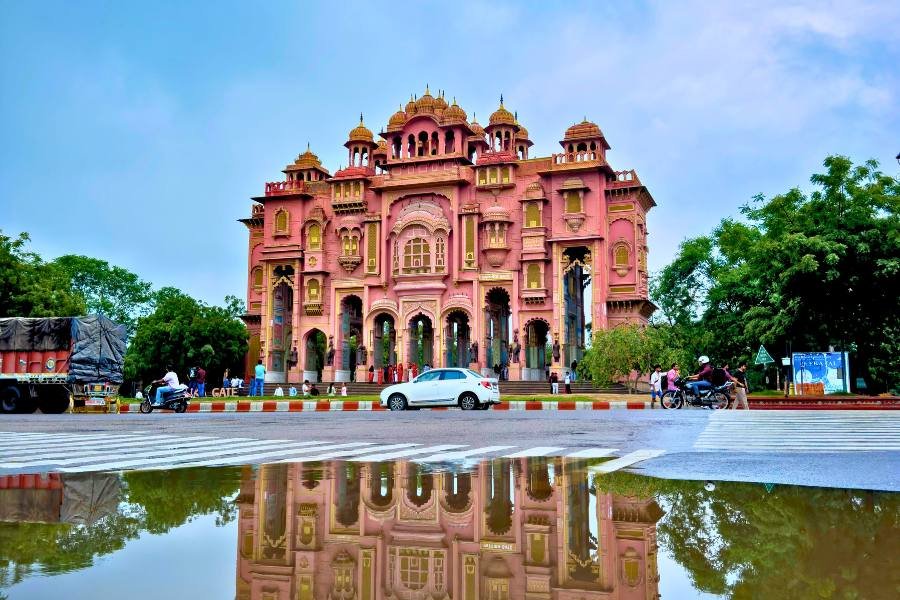
India Golden Triangle Travel Route Map: Complete 2026 Itinerary & Travel Guide
Planning your first trip to India can feel overwhelming. The country is enormous, culturally diverse, and packed with historic cities, colorful markets, remarkable architecture, and unforgettable food. If you want to experience some of India's most famous landmarks without trying to cover half the country, the India Golden Triangle is one of the easiest routes to start with. Connecting Delhi, Agra, and Jaipur, this classic circuit gives travelers a fascinating introduction to India's history, architecture, royal heritage, and everyday culture.
The route is called the Golden Triangle because the three major cities form a roughly triangular shape on a map. Delhi sits to the north, Agra lies southeast of Delhi, and Jaipur is southwest of Agra. Together, they create a practical travel circuit that can usually be completed in five to seven days, although travelers with more time can easily stretch it to eight or ten days.
A well-planned itinerary doesn't have to feel rushed. You can explore Delhi's historic monuments, stand before the Taj Mahal in Agra, and discover Jaipur's magnificent forts and palaces while still leaving room for local food, shopping, photography, and relaxation. The key is understanding the route before you book transportation.
What Is the India Golden Triangle?
The India Golden Triangle is a popular tourist circuit connecting Delhi, Agra, and Jaipur. Each destination offers something distinctly different, which is one of the reasons the route remains so popular with first-time visitors.
Delhi introduces you to India's enormous capital, where centuries of history sit alongside modern neighborhoods and business districts. Agra is famous worldwide for the Taj Mahal but also has an impressive Mughal heritage that includes Agra Fort and other historic monuments. Jaipur, known as the Pink City, brings a completely different atmosphere with Rajput architecture, hilltop forts, colorful bazaars, and grand royal residences.
The approximate road distances are manageable, making this circuit particularly suitable for travelers who don't want to spend their vacation constantly flying between destinations. Delhi to Agra is roughly 230 kilometers by road, while Agra to Jaipur is around 240 kilometers, depending on the route and exact starting points. Jaipur to Delhi is approximately 270 kilometers.
That means the three cities can be connected comfortably by car, train, or a combination of transportation options.
India Golden Triangle Route Map
The basic route looks like this:
Delhi → Agra → Jaipur → Delhi
You can also reverse the direction:
Delhi → Jaipur → Agra → Delhi
The first option is especially popular because it places the Taj Mahal relatively early in the journey and finishes with Jaipur's royal atmosphere. However, there's no universal rule saying you must travel in that direction.
A simple route structure could look like this:
| Route | Approximate Distance | Suggested Travel Time |
|---|---|---|
| Delhi → Agra | 230 km | Around 3–4 hours by road |
| Agra → Jaipur | 240 km | Around 4–5 hours by road |
| Jaipur → Delhi | 270 km | Around 5–6 hours by road |
Actual travel time depends on traffic, road conditions, weather, stops, and your chosen transportation.
How Many Days Do You Need?
For a first visit, six days is a comfortable starting point. It gives you enough time to experience all three cities without making every day feel like a race.
A five-day itinerary can work if your schedule is tight. Seven days is better if you want a slower pace and additional experiences. If you have ten days or more, you can add destinations such as Ranthambore, Pushkar, or nearby heritage sites.
Here's a practical six-day structure:
- Day 1: Arrive in Delhi and explore selected attractions.
- Day 2: Full-day Delhi sightseeing.
- Day 3: Travel from Delhi to Agra and explore Agra Fort and other attractions.
- Day 4: Visit the Taj Mahal and continue to Jaipur.
- Day 5: Explore Jaipur's forts, palaces, and markets.
- Day 6: Complete Jaipur sightseeing and return to Delhi or continue your journey.
This itinerary can be adjusted according to your arrival and departure times.
Day 1: Discover Delhi
Delhi deserves more than a quick airport transfer. It is a city where ancient history and modern India constantly overlap. Depending on your arrival time, you can begin with some of the city's most important landmarks and save the rest for the following day.
Popular attractions include India Gate, Humayun's Tomb, Qutub Minar, the Red Fort, Jama Masjid, and the Lotus Temple. You don't need to visit all of them in one day. Trying to do so can turn your introduction to Delhi into an exhausting checklist.
Humayun's Tomb is particularly interesting for travelers following a historical route toward Agra because its Mughal architecture provides useful context for understanding later monuments. Qutub Minar offers another perspective, representing an earlier period of Delhi's architectural history.
In the evening, consider enjoying an Indian dinner rather than immediately returning to your hotel. Delhi has an enormous food scene, ranging from traditional North Indian cuisine to street food and international restaurants.
Day 2: Explore More of Delhi
Use your second day to explore areas you couldn't comfortably visit on arrival day. The Red Fort and Jama Masjid are natural choices for travelers interested in history, while markets and food districts can add a more local dimension to the experience.
Delhi can be chaotic, particularly during busy periods, so don't underestimate travel time between attractions. A map may make two locations look close, but traffic can dramatically change the journey.
If you're traveling with a private car and driver, discuss the day's route beforehand. A sensible geographic sequence can save considerable time.
You can also use this day to prepare for the next morning's journey to Agra. Keep your luggage organized and confirm your transportation arrangements before going to bed.
Day 3: Delhi to Agra
The journey from Delhi to Agra is relatively straightforward. Travelers can choose between train services, private cars, buses, and organized tours.
A private car offers flexibility because you can control departure time and potentially stop along the route. Train travel can be efficient and avoids road traffic, making it attractive for travelers who prefer rail transportation.
Once you arrive in Agra, start exploring rather than waiting until the following day. Agra Fort is one of the best places to begin because it provides a powerful introduction to the city's Mughal history.
The enormous red sandstone complex contains palaces, halls, courtyards, and viewpoints connected with the Mughal emperors. From certain areas, you can also see the Taj Mahal in the distance.
After sightseeing, check into your hotel and take some time to relax. If energy permits, explore local markets or enjoy dinner at a restaurant with views of the Taj Mahal.
Day 4: Taj Mahal and Journey to Jaipur
For many travelers, this is the emotional centerpiece of the entire journey. Visiting the Taj Mahal early in the day can be particularly rewarding because the temperature is generally more comfortable and the changing morning light can create beautiful views.
The Taj Mahal is a mausoleum commissioned by Mughal emperor Shah Jahan in memory of Mumtaz Mahal. Its white marble architecture, symmetrical gardens, detailed decorative work, and enormous historical importance have made it one of the world's best-known monuments.
Give yourself enough time to appreciate the complex rather than simply walking to the main viewpoint, taking a photograph, and leaving. The details become more interesting when you slow down.
After your Agra sightseeing, continue toward Jaipur. The journey takes several hours, so plan for breaks. Once you reach Jaipur, check into your hotel and have a relaxed evening.
This is also a good time to explore the atmosphere of the Pink City without attempting a major sightseeing schedule.
Day 5: Jaipur's Royal Heritage
Jaipur is where the route takes on a distinctly royal character. The city was founded in the eighteenth century and is famous for its planned streets, pink-toned architecture, forts, palaces, and traditional markets.
Start with Amber Fort, located outside the central city area. The fort sits dramatically on a hillside and combines defensive architecture with ornate palace interiors.
Next, consider visiting the City Palace, which remains one of Jaipur's most important attractions. The complex contains courtyards, museums, decorative gateways, and royal architecture.
The Hawa Mahal, or Palace of Winds, is another essential stop. Its distinctive façade has become one of Jaipur's most recognizable images.
If you enjoy astronomy or architecture, the Jantar Mantar observatory is also worth including. Its enormous astronomical instruments demonstrate the scientific interests of the period in which the complex was constructed.
Day 6: Jaipur Markets and Departure
Keep your final Jaipur day flexible. Depending on your departure time, you can revisit a favorite attraction, explore local markets, or purchase handicrafts.
Jaipur is known for textiles, jewelry, blue pottery, handicrafts, traditional clothing, and other products. Shopping can be enjoyable, but visitors should compare prices and understand that bargaining may be expected in some markets.
If you're returning to Delhi, allow sufficient travel time. Alternatively, you can continue to another destination from Jaipur if your broader India itinerary allows it.
For international travelers with a late-night flight from Delhi, returning to Delhi earlier in the day is usually more comfortable than leaving Jaipur at the last possible moment.
Best Transportation for the Golden Triangle
Transportation can significantly affect your experience. There is no single best option for everyone.
A private car with a driver is ideal for travelers who value flexibility. You can leave when you want, stop for breaks, and travel directly between hotels and attractions. It can also be convenient for families or groups.
Trains are attractive for travelers who prefer India's railway system. The Delhi–Agra section in particular can be convenient because rail services can reduce the uncertainty associated with road traffic.
Buses can be suitable for budget-conscious travelers, although journey times and comfort vary.
Organized tours are useful if you don't want to handle logistics yourself. They can combine transportation, hotels, guides, and sightseeing into one package.
Your choice should depend on your budget, group size, comfort preferences, and tolerance for planning.
Best Time to Travel
The weather can make a significant difference to your experience. The cooler months are generally popular because outdoor sightseeing is more comfortable.
Winter can bring pleasant daytime temperatures, although early-morning fog may occasionally affect visibility, particularly around Delhi and Agra. Summer can be extremely hot, and long outdoor sightseeing sessions may become uncomfortable.
The monsoon season brings rainfall and higher humidity but can also create greener landscapes and fewer tourists at certain times.
Regardless of the season, check current weather conditions shortly before your journey and plan outdoor activities accordingly.
What Should You Pack?
Packing for the route doesn't require anything unusual, but practicality matters.
Comfortable walking shoes are essential because you'll spend significant time exploring forts, monuments, courtyards, gardens, and markets. Lightweight clothing can be useful during warmer months, while winter travelers should bring layers because mornings and evenings can be considerably cooler.
Sunscreen, sunglasses, a reusable water bottle, personal medications, and a small day bag are also useful.
Respectful clothing is advisable when visiting religious sites. Some locations may have specific entry requirements, so checking the rules before visiting is a smart habit.
Food to Try Along the Route
Food is one of the best ways to experience the Golden Triangle. Delhi is particularly diverse, offering everything from rich Mughlai dishes to street-food specialties.
In Agra, try local Mughlai cuisine and the city's famous sweet treats. Jaipur offers a range of Rajasthani dishes, including dal baati churma, along with snacks and sweets found throughout the city's markets.
Don't feel pressured to eat only at luxury restaurants. Some of the most memorable meals can come from smaller establishments, although travelers should choose places with good hygiene practices and a strong local reputation.
If you have dietary restrictions, learn the relevant Hindi phrases or keep a translation on your phone. Most tourist-oriented restaurants are accustomed to international visitors.
How Much Does a Golden Triangle Trip Cost?
The total budget depends heavily on your travel style. Backpackers can keep costs relatively low by using budget hotels and public transportation, while private tours, luxury hotels, premium vehicles, and specialist guides can make the trip considerably more expensive.
Your main expenses will usually include:
- Accommodation
- Transportation
- Monument entrance fees
- Food and drinks
- Guide services
- Shopping
- Travel insurance
- Optional experiences
Rather than focusing only on the cheapest possible itinerary, consider the value of comfort and reliability. A slightly more expensive private transfer may save hours of uncertainty, while a good hotel can make a major difference after a long sightseeing day.
Important Travel Tips for 2026
Before traveling, verify current information directly with official sources and service providers. Monument opening schedules, entry procedures, ticket prices, transportation timetables, and local regulations can change.
Keep digital copies of your passport, insurance details, hotel reservations, and transportation bookings. A small amount of local cash can also be useful, even though digital payments are increasingly common in urban India.
Avoid overpacking your itinerary. Three meaningful experiences in a day are often more enjoyable than eight rushed attractions.
If you're hiring a guide, choose a licensed or reputable professional where possible. A knowledgeable guide can turn a beautiful monument into a fascinating historical story rather than simply providing dates and names.
Is the Golden Triangle Suitable for First-Time India Travelers?
Absolutely. One of the route's biggest strengths is variety. You get the energy of Delhi, the Mughal heritage of Agra, and the royal culture of Rajasthan in one relatively manageable itinerary.
It also provides a useful introduction to India's different travel experiences. You'll encounter busy urban areas, historic monuments, traditional markets, modern hotels, local transportation, regional cuisine, and different architectural traditions.
The route isn't necessarily easy every minute. India can be noisy, crowded, hot, and unpredictable. That's part of the experience, but good planning makes a major difference.
For someone visiting India for the first time, the Golden Triangle offers enough structure to make the journey manageable while still providing plenty of opportunities for spontaneous discoveries.
How to Customize Your Golden Triangle Itinerary
The basic six-day itinerary is only a starting point. You can easily customize it according to your interests.
History lovers can spend more time in Delhi and Agra. Photography enthusiasts may want extra mornings and evenings around major monuments. Families can reduce the number of daily attractions and add more rest periods.
Luxury travelers can choose heritage hotels and private experiences. Budget travelers can rely more heavily on trains, local transportation, and affordable accommodation.
If wildlife interests you, consider extending the journey toward Ranthambore National Park. If you're interested in spiritual or religious tourism, other destinations can be added depending on your available time.
The most important rule is simple: don't try to see everything.
Final Thoughts
The India Golden Triangle remains one of the most practical ways to experience some of India's most famous destinations on a single journey. Delhi gives you a window into India's capital and its layered history, Agra delivers the unforgettable Taj Mahal and Mughal heritage, while Jaipur introduces the colors, forts, palaces, and traditions of Rajasthan.
A five-day itinerary can work for travelers with limited time, but six or seven days generally allows for a more comfortable experience. Choosing the right transportation, avoiding overly ambitious daily schedules, and leaving room for meals and rest can make the difference between a stressful trip and a memorable one.
Don't think of the route as simply three cities connected by roads. Think of it as three different chapters of India's story. Delhi represents a constantly evolving capital, Agra reveals the grandeur of the Mughal era, and Jaipur showcases the royal heritage of Rajasthan.
With thoughtful planning, the journey can become far more than a checklist of famous monuments. It can be your first real introduction to India's history, hospitality, food, architecture, and extraordinary cultural diversity.
FAQs
1. How many days are ideal for the Golden Triangle?
Six to seven days is a comfortable duration for first-time travelers. Five days can work if your schedule is tight, while eight to ten days allows you to add destinations and enjoy a slower pace.
2. What is the best route for the Golden Triangle?
The classic route is Delhi → Agra → Jaipur → Delhi. You can also travel in reverse, depending on your flight schedule and broader itinerary.
3. Is it better to travel between Delhi, Agra, and Jaipur by car or train?
Both options can work well. Private cars offer flexibility and door-to-door convenience, while trains can be efficient between major cities. Your budget and preferred travel style should determine the choice.
4. What are the main attractions on the Golden Triangle?
The major highlights include the Red Fort, Qutub Minar, and Humayun's Tomb in Delhi; the Taj Mahal and Agra Fort in Agra; and Amber Fort, City Palace, Hawa Mahal, and Jantar Mantar in Jaipur.
5. Is the Golden Triangle safe for first-time visitors?
Millions of travelers visit these destinations every year. As with any major tourist route, use common-sense precautions, protect valuables, use reputable transportation and accommodation, and stay aware of your surroundings.