Is India Safe for Foreign Tourists
May 12, 2026
Is India Safe for Foreign Tourists?
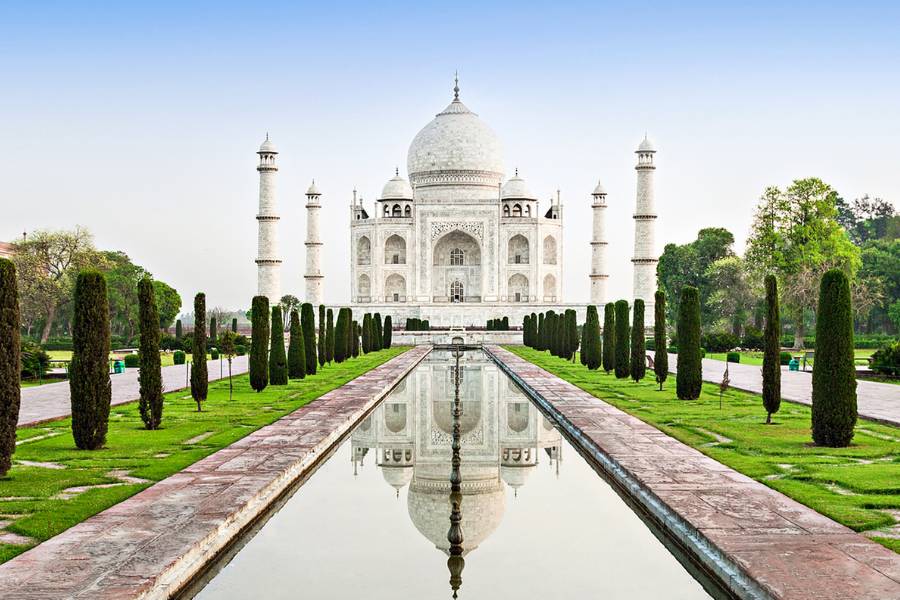
India is a country that feels like ten different worlds stitched together into one unforgettable experience. One moment you are standing in front of the glowing Taj Mahal at sunrise, and the next you are eating spicy street food while listening to the nonstop noise of busy city traffic. India is emotional, energetic, spiritual, crowded, peaceful, modern, ancient, and deeply memorable. Every year, millions of travelers visit India to explore its culture, history, mountains, beaches, temples, and food. Yet one question always follows travelers before they book a flight: Is India Safe for Foreign visitors?
The Reality of Traveling in India
The truth is simple. India can absolutely be safe for tourists, but it is not the kind of destination where you can completely switch off your awareness. Traveling in India is like riding a roller coaster through a giant living museum. It can feel exciting and magical, but it also demands attention and preparation. Foreign tourists who understand local customs, stay alert, and travel smart usually have incredible experiences. Those who arrive unprepared sometimes struggle with scams, culture shock, transportation confusion, or unwanted attention.
India is not dangerous in the way many stereotypes suggest, but it is intense. That intensity surprises first-time visitors. Streets are crowded, traffic can feel chaotic, and cultural differences may create misunderstandings. Yet millions of solo travelers, backpackers, families, couples, and digital nomads continue to travel across India every year without serious problems. Safety in India often depends on your decisions, your awareness, and where you travel.
Why Tourists Worry About Safety
One reason people worry about safety is because India receives global media attention whenever major crimes happen. News stories travel fast, especially incidents involving tourists or women. While those incidents are real and serious, they do not represent the daily reality for most travelers. In fact, many tourists leave India saying they felt welcomed by locals who went out of their way to help them. Indians are generally known for hospitality, curiosity, and generosity toward guests.
Still, being realistic matters. Petty theft, scams, aggressive touts, and transportation fraud exist in tourist-heavy areas. Travelers sometimes get overcharged by taxi drivers or approached by fake guides near famous attractions. In crowded markets and train stations, pickpocketing can happen. These are not unique to India, though. Similar situations exist in many major tourist destinations around the world. The key difference is that India’s scale and population make everything feel more amplified.
Safety for Solo Female Travelers
For solo female travelers, the question becomes even more important. Many women ask whether India is truly safe to explore alone. The answer depends heavily on location, timing, and behavior. Thousands of women travel solo through India every year successfully, but extra caution is necessary compared to some other destinations. Dressing modestly in conservative regions, avoiding isolated areas at night, using trusted transportation apps, and staying connected with family or friends are all smart habits.
Female travelers who research destinations carefully often find India deeply rewarding despite the challenges. Cities like Mumbai, Bangalore, and Jaipur are generally considered safer and easier for foreign tourists than some overcrowded areas of Delhi. Mumbai especially has earned a reputation for being relatively safer for women at night compared to other large Indian cities.
Transportation and Travel Safety
Transportation safety is another major concern for tourists. Indian roads can look chaotic to foreigners because traffic rules are often loosely followed. Crossing the street in India sometimes feels like trying to solve a puzzle while motorcycles, cars, auto-rickshaws, cows, and buses move in every direction at once. Travelers should avoid renting scooters unless they are experienced drivers. Using trusted taxi apps and pre-booked transport is usually safer than randomly hailing rides from the street.
Train travel in India is an adventure in itself. Long-distance trains are affordable and widely used, but tourists should book higher-class compartments whenever possible. Sleeper class may be exciting for backpackers, but first-time visitors often feel more comfortable in AC classes with reserved seating. Keeping valuables secure during overnight journeys is essential.
Health and Food Safety
Health safety is equally important. Many tourists experience stomach problems during their first trip to India because local bacteria and street food hygiene standards may differ from what they are used to back home. Drinking only bottled or filtered water is one of the most important travel rules. Ice cubes, raw salads, and uncovered street food should be approached carefully.
Ironically, some of the best meals in India come from small local eateries, but choosing busy and clean-looking places reduces risk. Tourists should also carry basic medications and stay hydrated, especially during hot summer months.
Cultural Respect and Awareness
One interesting thing about India is that perception changes after people visit. Before arriving, many travelers feel nervous because of online stories or dramatic headlines. After spending time in the country, they often describe India as challenging but life-changing in the best possible way. India has a strange ability to exhaust you and inspire you at the same time.
Cultural respect plays a major role in staying safe and comfortable. India is deeply traditional in many regions, and tourists who ignore local customs sometimes attract unwanted attention. Simple things like dressing appropriately at religious sites, removing shoes before entering temples, and respecting photography rules go a long way.
The keyword Is India Safe for Foreign travelers often appears online because people want a simple yes-or-no answer. But India cannot be reduced to a simple answer. It is safer than some people imagine and more challenging than glossy travel advertisements suggest.
Scams and Tourist Awareness
Scams targeting tourists are common near famous attractions. Some locals may claim a monument is closed and redirect tourists to expensive shops or fake tour offices. Others may offer “special deals” that end up costing far more than expected. The best defense is confidence and preparation.
Booking tours through trusted companies and researching prices beforehand helps avoid unpleasant surprises. Travelers should also be cautious about strangers who become overly friendly too quickly. Despite all these warnings, many foreigners describe India as one of the warmest countries they have ever visited.
Travelers often share stories of locals inviting them for tea, helping them navigate train stations, or guiding them when they looked lost. India’s hospitality culture runs deep. Families frequently treat guests with enormous kindness, especially in smaller towns and villages where tourists are less common.
Technology and Modern Travel Safety
Technology has also improved travel safety in India. Ride-sharing apps, digital payments, GPS navigation, and translation tools make it easier for foreigners to move around confidently. Many cities now have modern metro systems, better airports, and improved tourist infrastructure compared to a decade ago.
Luxury tourism has expanded rapidly, giving travelers access to safer and more comfortable options across the country. The phrase Is India Safe for Foreign visitors appears repeatedly because travelers naturally want reassurance before stepping into such a different environment.
Traveling with Family in India
Families traveling with children often find India surprisingly enjoyable. Kids are frequently welcomed warmly by locals, and family-oriented culture makes many areas feel comfortable for parents. Resorts in Kerala, Rajasthan, and Goa cater well to international families.
The biggest challenge is usually managing long travel times and adapting to weather conditions, especially during extremely hot summers. Budget travel can expose visitors to more risks simply because cheaper accommodations and transport options sometimes lack safety standards.
Spending slightly more on reliable hotels and transportation can dramatically improve comfort and security. One of the smartest things tourists can do is slow down. Many first-time visitors try to see too much too quickly. India is huge, and constant travel can become exhausting.
Conclusion
India is neither perfectly safe nor dangerously unsafe. It exists somewhere in the middle, like most countries with large populations and major tourism industries. Travelers who stay aware, respect local culture, use common sense, and prepare properly usually enjoy safe and unforgettable trips.
From the peaceful mountains of Himachal Pradesh to the busy streets of Mumbai and the beaches of Goa, India offers experiences unlike anywhere else in the world. The question Is India Safe for Foreign tourists cannot be answered with a simple yes or no.
India is safe for smart travelers who understand that awareness matters. If you travel responsibly, trust your instincts, and remain adaptable, India can become one of the most rewarding destinations you will ever visit. For travelers planning iconic cultural experiences, searching Is India Safe for Foreign travelers before visiting can help prepare for an unforgettable Indian adventure.