What Are the Top Places to Visit on a Delhi Tour?
July 15, 2026
What Are the Top Places to Visit on a Delhi Tour?
Delhi, the vibrant capital of India, is a city where history and modernity blend seamlessly. Every street tells a story, every monument reflects centuries of heritage, and every neighborhood offers a unique cultural experience. Whether you are a history enthusiast, a foodie, a shopaholic, or someone looking to explore India's rich traditions, a Delhi Tour promises unforgettable memories. From UNESCO World Heritage Sites and magnificent Mughal architecture to bustling markets and lush gardens, Delhi has something for every traveler.
As one of India's most visited destinations, Delhi serves as the gateway to the country's famous tourist circuits, including the Golden Triangle. The city's excellent connectivity, diverse attractions, and vibrant atmosphere make it an ideal destination for first-time visitors and seasoned travelers alike. This guide explores the top places to visit on a Delhi Tour, helping you plan an itinerary that captures the true essence of India's capital.
Why Delhi Is a Must-Visit Destination
Delhi is more than just India's political capital. It is a city that has witnessed the rise and fall of numerous empires, each leaving behind architectural marvels, cultural traditions, and historical landmarks. From ancient forts and grand mosques to colonial buildings and modern shopping districts, Delhi offers an extraordinary journey through time.
One of the greatest advantages of visiting Delhi is its diversity. You can spend the morning exploring centuries-old monuments, enjoy authentic North Indian cuisine at lunchtime, shop in colorful local markets during the afternoon, and end the day at a modern café or luxury restaurant. This fascinating contrast makes every Delhi Tour unique and exciting.
Red Fort – A Symbol of India's Rich Heritage
No visit to Delhi is complete without exploring the iconic Red Fort. Built by Mughal Emperor Shah Jahan in 1648, this magnificent red sandstone fortress is one of India's most important historical landmarks and a UNESCO World Heritage Site.
The fort served as the primary residence of Mughal emperors for nearly 200 years. Inside its massive walls, visitors can explore royal chambers, audience halls, gardens, museums, and beautiful gateways that showcase the grandeur of Mughal architecture.
Every year on India's Independence Day, the Prime Minister hoists the national flag from the Red Fort, making it a symbol of national pride. The evening light and sound show also provides an engaging overview of the fort's fascinating history.
Qutub Minar – The Tallest Brick Minaret in the World
Standing at 73 meters, Qutub Minar is one of Delhi's most impressive architectural masterpieces. Another UNESCO World Heritage Site, this remarkable minaret was constructed in the 12th century by Qutb-ud-din Aibak and later expanded by his successors.
The intricate carvings, Quranic inscriptions, and detailed sandstone work demonstrate exceptional craftsmanship. The surrounding Qutub Complex also includes ancient ruins, the Iron Pillar of Delhi, Alai Darwaza, and several historic tombs.
History lovers often spend hours exploring this remarkable archaeological site, making it one of the highlights of any Delhi Tour.
India Gate – The Heart of New Delhi
India Gate is one of the city's most recognizable landmarks and an important war memorial dedicated to Indian soldiers who sacrificed their lives during World War I.
Surrounded by beautifully maintained lawns, India Gate is a popular gathering place for both locals and tourists. Families often visit during the evening to enjoy the pleasant atmosphere, street food vendors, and illuminated monument.
Nearby attractions include Rashtrapati Bhavan, Parliament House, and Kartavya Path, creating an excellent sightseeing route through New Delhi's grand administrative district.
Humayun's Tomb – The Inspiration Behind the Taj Mahal
Built in the 16th century, Humayun's Tomb is another UNESCO World Heritage Site that represents one of the earliest examples of Mughal garden-tomb architecture.
Its symmetrical design, elegant Persian-style gardens, and magnificent red sandstone structure later inspired the construction of the Taj Mahal. Walking through the peaceful gardens offers visitors a relaxing escape from the city's busy streets.
Photography enthusiasts particularly appreciate the monument's beautiful arches, domes, and geometric landscaping.
Jama Masjid – One of India's Largest Mosques
Located in the heart of Old Delhi, Jama Masjid is among the largest and most impressive mosques in India. Built by Shah Jahan between 1650 and 1656, the mosque can accommodate more than 25,000 worshippers.
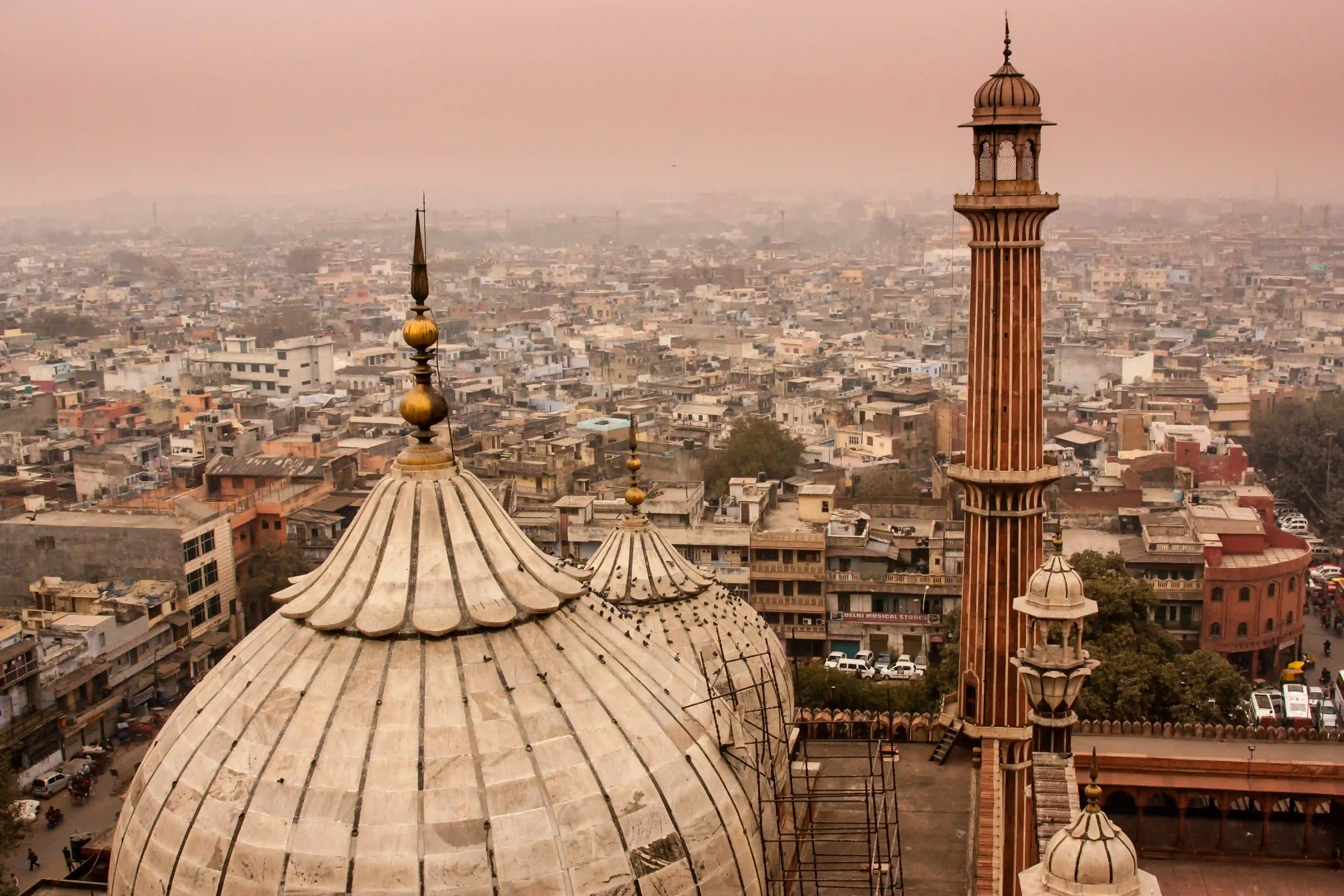
Its grand courtyards, towering minarets, marble domes, and intricate architecture attract visitors from around the world. Those willing to climb one of the minarets are rewarded with breathtaking panoramic views of Old Delhi.
Visitors should dress modestly and remove their shoes before entering the mosque as a sign of respect.
Chandni Chowk – A Paradise for Food Lovers and Shoppers
No Delhi Tour is complete without exploring Chandni Chowk, one of the oldest and busiest markets in India.
The narrow lanes are filled with spice shops, jewelry stores, textile merchants, street food stalls, and centuries-old businesses that continue traditional family trades.
- Parathas
- Chole Bhature
- Jalebi
- Golgappa
- Rabri
- Kebabs
Taking a cycle rickshaw through the bustling streets provides an authentic glimpse into Delhi's everyday life and vibrant culture.
Lotus Temple – A Symbol of Peace
The Lotus Temple is one of Delhi's most unique modern landmarks. Designed in the shape of a blooming lotus flower, this Bahá'í House of Worship welcomes visitors of all religions.
Unlike many religious sites, the temple contains no idols, rituals, or sermons. Visitors are encouraged to sit quietly and meditate in the peaceful prayer hall.
Its stunning white marble architecture and beautifully landscaped gardens make it one of Delhi's most photographed attractions.
Akshardham Temple – A Modern Architectural Wonder
Akshardham Temple is one of India's largest Hindu temple complexes and showcases extraordinary craftsmanship inspired by ancient Indian architecture.
Visitors can admire intricately carved stone pillars, impressive sculptures, musical fountains, cultural exhibitions, and educational displays highlighting India's spiritual traditions and historical achievements.
The evening water show is particularly popular and offers a memorable conclusion to a day of sightseeing.
Raj Ghat – A Tribute to Mahatma Gandhi
Raj Ghat marks the cremation site of Mahatma Gandhi, the Father of the Nation.
The simple black marble memorial is surrounded by peaceful gardens and serves as a place of reflection and respect. Visitors from across the globe come here to honor Gandhi's philosophy of peace and nonviolence.
The serene atmosphere contrasts beautifully with Delhi's busy streets, making it a meaningful stop during your journey.
Lodhi Garden – A Green Escape in the City
Lodhi Garden offers a refreshing retreat for travelers seeking tranquility amid Delhi's urban landscape.
Spread across more than 90 acres, the garden features beautiful walking paths, ancient tombs, flowering plants, lakes, and lush greenery.
Morning walkers, yoga enthusiasts, photographers, and birdwatchers frequently visit this peaceful oasis.
It is also an excellent location for families looking to relax after visiting the city's historical monuments.
Shopping Destinations in Delhi
Delhi is one of India's best shopping destinations, offering everything from luxury brands to traditional handicrafts.
- Connaught Place
- Dilli Haat
- Janpath Market
- Sarojini Nagar
- Khan Market
- Lajpat Nagar
Visitors can purchase handicrafts, jewelry, textiles, carpets, leather goods, spices, souvenirs, and fashionable clothing at competitive prices.
Bargaining is common in many local markets, so polite negotiation often results in excellent deals.
Best Time to Visit Delhi
The ideal time for a Delhi Tour is between October and March.
During these months, the weather remains cool and comfortable for sightseeing. Winter mornings are perfect for visiting outdoor monuments, while pleasant evenings allow travelers to enjoy local markets and street food.
Spring also brings colorful festivals like Holi, while autumn features Diwali celebrations that illuminate the city with lights and decorations.
Although Delhi can be visited year-round, summers are extremely hot, making winter the preferred season for most tourists.
Helpful Travel Tips
Planning ahead ensures a more enjoyable trip.
Wear comfortable walking shoes because many attractions involve extensive walking. Carry sunscreen, sunglasses, and a reusable water bottle, especially during warmer months.
Using the Delhi Metro is one of the fastest and most affordable ways to travel across the city. It connects nearly all major tourist attractions while avoiding traffic congestion.
Hiring knowledgeable local guides at historical monuments can greatly enrich your understanding of Delhi's fascinating history and architecture.
Always keep some cash for local markets, although digital payments are widely accepted throughout the city.
Why a Delhi Tour Should Be on Every Traveler's Bucket List
Delhi offers an unmatched combination of history, culture, spirituality, cuisine, shopping, and modern urban life. Few cities in the world provide such remarkable diversity within a single destination.
Whether you admire Mughal architecture, enjoy exploring bustling bazaars, appreciate peaceful gardens, or love tasting authentic Indian food, Delhi caters to every interest.
A well-planned Delhi Tour allows visitors to experience the city's historical grandeur while also discovering its vibrant contemporary lifestyle.
Conclusion
Delhi is far more than India's capital—it is a living museum where every monument, market, and neighborhood tells a unique story. From the majestic Red Fort and towering Qutub Minar to the spiritual serenity of the Lotus Temple and the lively streets of Chandni Chowk, the city offers endless opportunities for exploration.
Whether you have two days or a full week, Delhi promises unforgettable experiences that blend ancient heritage with modern energy. A thoughtfully planned Delhi Tour introduces travelers to India's rich cultural legacy while providing world-class cuisine, shopping, architecture, and hospitality.
If you're planning a trip to India, make sure Delhi is at the top of your itinerary. Its timeless charm, historical significance, and vibrant atmosphere will leave you with memories that last a lifetime.
Frequently Asked Questions
1. How many days are enough for a Delhi Tour?
Two to three days are sufficient to explore Delhi's major attractions, although four to five days allow a more relaxed experience.
2. What is the best time to visit Delhi?
The best time is from October to March when the weather is pleasant and ideal for sightseeing.
3. Is Delhi safe for tourists?
Yes. Delhi is generally safe for tourists, especially in popular tourist areas. As with any major city, travelers should remain aware of their surroundings and follow basic safety precautions.
4. What is the best way to travel around Delhi?
The Delhi Metro is the most efficient, affordable, and convenient mode of transportation for tourists.
5. Can Delhi be combined with other destinations?
Absolutely. Delhi is the starting point for popular travel circuits such as the Golden Triangle, which also includes Agra and Jaipur, as well as many other North Indian destinations.