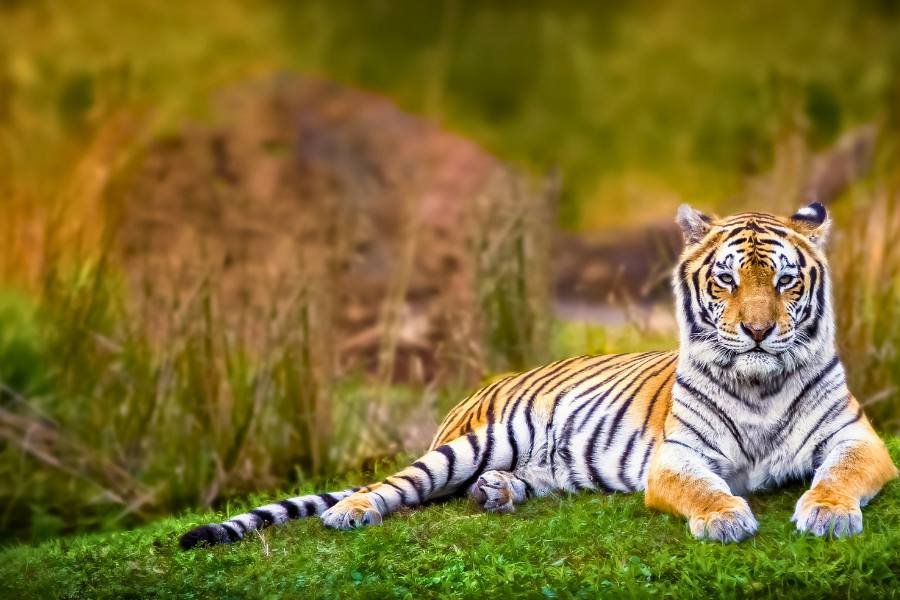
What Is the Best Delhi Agra Ranthambore Jaipur Tour?
Planning a trip that combines India’s historic capital, the magnificent Taj Mahal, an exciting wildlife experience, and the royal heritage of Rajasthan can be one of the most rewarding ways to explore North India. A well-planned Delhi Agra Ranthambore Jaipur Tour brings together four fascinating destinations, each offering a completely different travel experience.
Delhi introduces travelers to India’s political, cultural, and historical heritage. Agra is famous around the world for the Taj Mahal and its Mughal architecture. Ranthambore adds adventure through its renowned tiger safari and natural landscapes, while Jaipur completes the journey with magnificent forts, palaces, colorful markets, and royal traditions.
The route is especially suitable for first-time visitors who want to experience several major attractions without spending too much time traveling between distant regions. With a private car, professional driver, comfortable hotels, and carefully planned sightseeing, the journey can be customized for couples, families, solo travelers, and small groups.
Why Choose a Delhi Agra Ranthambore Jaipur Tour?
A Delhi Agra Ranthambore Jaipur Tour is ideal because it combines history, architecture, wildlife, culture, and local experiences in one itinerary. Instead of visiting only the famous Golden Triangle destinations of Delhi, Agra, and Jaipur, travelers can add Ranthambore for an unforgettable wildlife experience.
The route also follows a practical geographical direction. Travelers can begin in Delhi, continue to Agra, travel toward Ranthambore, and then finish in Jaipur. Depending on the length of the trip, the journey can end in Jaipur or return to Delhi.
This itinerary offers several highlights:
- Historic monuments in Delhi
- Taj Mahal and Agra Fort in Agra
- Wildlife safari in Ranthambore
- Amber Fort in Jaipur
- City Palace and Hawa Mahal
- Traditional Rajasthani culture
- Local markets and cuisine
- Comfortable private road travel
The combination makes the trip particularly attractive for international visitors who want more than monuments during their India vacation.
How Many Days Are Needed?
The ideal duration depends on how much time you have and whether you want a relaxed or fast-paced itinerary.
A 6-day itinerary can cover the major highlights, while 7 to 8 days allows more comfortable sightseeing and a better chance of enjoying Ranthambore.
A practical itinerary could look like this:
- Day 1: Delhi sightseeing
- Day 2: Delhi to Agra
- Day 3: Agra to Ranthambore
- Day 4: Ranthambore safari
- Day 5: Ranthambore to Jaipur
- Day 6: Jaipur sightseeing
- Day 7: Jaipur to Delhi or departure
Travelers with additional time can add another safari in Ranthambore, spend an extra night in Jaipur, or explore additional attractions in Delhi and Agra.
Day 1: Explore Delhi
Delhi is an excellent starting point because it offers a fascinating combination of ancient monuments, Mughal architecture, colonial landmarks, and modern city life.
Depending on your arrival time, you can visit several important attractions.
Qutub Minar
Qutub Minar is one of Delhi’s most recognizable historical landmarks. The towering monument and surrounding archaeological complex provide an excellent introduction to the architectural history of the city.
Humayun’s Tomb
Humayun’s Tomb is another important monument and is known for its elegant Mughal architecture and beautiful gardens. It is often considered an important architectural predecessor to later Mughal monuments.
India Gate
India Gate is one of Delhi’s most famous landmarks. The monument is particularly impressive when viewed in the evening, when the surrounding area becomes lively with visitors and local families.
Red Fort
The Red Fort is one of Delhi’s most significant historical attractions. Built during the Mughal period, it reflects the grandeur and architectural style of imperial Delhi.
Depending on your schedule, you can also visit Jama Masjid, Lotus Temple, Raj Ghat, or explore one of Delhi’s traditional markets.
Day 2: Delhi to Agra
The next stage of the journey takes you from Delhi to Agra. Traveling by private car is one of the most convenient options because you can depart according to your preferred schedule and avoid the limitations of fixed public transportation.
After reaching Agra, you can begin sightseeing with the city’s most famous attractions.
Visit the Taj Mahal
The Taj Mahal is the highlight of almost every Agra itinerary. Built beside the Yamuna River, the monument is admired for its white marble architecture, detailed craftsmanship, symmetrical gardens, and historical significance.
Early morning is generally a popular time to visit because the atmosphere can be more peaceful and the changing light creates beautiful views of the monument.
If photography is important to you, allowing enough time around the Taj Mahal is worthwhile rather than rushing through the visit.
Explore Agra Fort
After visiting the Taj Mahal, continue to Agra Fort. This enormous red sandstone complex contains palaces, courtyards, mosques, audience halls, and other historic structures.
The fort also provides impressive views toward the Taj Mahal from several locations within the complex.
Optional Agra Attractions
If you have additional time, consider visiting Itmad-ud-Daulah, often called the Baby Taj, or Mehtab Bagh across the Yamuna River.
These attractions can add variety to your Agra experience without requiring a major change to the route.
Day 3: Agra to Ranthambore
The journey from Agra to Ranthambore is one of the most interesting parts of the itinerary because the scenery gradually changes from the Mughal heritage of Uttar Pradesh to the landscapes of Rajasthan.
On the way, travelers may consider visiting Fatehpur Sikri if time permits.
Fatehpur Sikri
Fatehpur Sikri is a historic Mughal city located near Agra. Its impressive gateways, courtyards, palaces, and religious buildings make it an excellent addition to the route.
After sightseeing, continue toward Ranthambore and check into your hotel or wildlife resort.
The evening can be used for relaxation after the road journey. Staying close to the national park is particularly convenient if you have an early morning safari scheduled for the following day.
Day 4: Ranthambore Tiger Safari
Ranthambore is the adventure-focused part of the journey. The region is famous for its wildlife, forests, lakes, and historic Ranthambore Fort.
The main reason travelers add Ranthambore to this route is the opportunity to experience a wildlife safari.
What Can You See on Safari?
The Bengal tiger is the most famous animal associated with Ranthambore, but wildlife sightings can include many other species.
Depending on the season and location, visitors may see:
- Bengal tigers
- Leopards
- Sloth bears
- Sambar deer
- Spotted deer
- Wild boars
- Crocodiles
- Various bird species
Wildlife sightings are never guaranteed because animals move freely through their natural habitat. However, the excitement of exploring the forest itself is an important part of the experience.
Morning and Afternoon Safaris
If your schedule allows, consider taking more than one safari. A morning safari and an afternoon safari provide different opportunities to observe wildlife and experience the changing atmosphere of the park.
Your safari timing depends on park regulations, seasonal schedules, and availability, so it is advisable to plan bookings in advance.
Day 5: Ranthambore to Jaipur
After your Ranthambore experience, continue toward Jaipur, the capital of Rajasthan.
Jaipur is known as the Pink City and is famous for its royal architecture, colorful markets, handicrafts, jewelry, textiles, and traditional cuisine.
Depending on your arrival time, you can explore a local market or enjoy a relaxed evening.
Walking through Jaipur’s historic streets can be a great way to experience the city beyond its major monuments.
Day 6: Discover Jaipur
A complete Delhi Agra Ranthambore Jaipur Tour should include enough time to experience Jaipur’s most important attractions.
Amber Fort
Amber Fort is one of Jaipur’s most impressive landmarks. Located on a hill overlooking the surrounding landscape, the fort features grand courtyards, decorated halls, gateways, and intricate architectural details.
Allow enough time to explore the complex rather than simply stopping for photographs.
City Palace
The City Palace offers an insight into Jaipur’s royal heritage. The complex contains courtyards, museums, decorative buildings, and royal collections.
It is a good place to learn more about the history and lifestyle of Jaipur’s former royal family.
Hawa Mahal
Hawa Mahal, or the Palace of Winds, is one of Jaipur’s most recognizable buildings. Its distinctive façade contains numerous small windows and balconies.
The exterior is particularly popular for photography, while the interior offers additional perspectives of the historic city.
Jantar Mantar
Jantar Mantar is an impressive astronomical observatory containing large-scale instruments designed to study celestial movements.
Its unusual architecture makes it different from the forts and palaces found elsewhere in Jaipur.
Jal Mahal
Jal Mahal is another popular Jaipur landmark. The palace appears to float in the middle of Man Sagar Lake and is especially attractive for photographs from the lakeside.
Shopping in Jaipur
No Rajasthan journey is complete without experiencing Jaipur’s markets.
Visitors can shop for traditional handicrafts, textiles, jewelry, blue pottery, leather products, souvenirs, and other locally produced items.
Popular shopping areas include markets around the old city. Remember to compare prices and quality before purchasing expensive items, especially jewelry or handicrafts.
Shopping can also be an opportunity to interact with local artisans and learn about Rajasthan’s traditional crafts.
Best Transportation for the Tour
For many travelers, a private car with a professional driver is the most comfortable way to complete the route.
The major advantage is flexibility. You can start sightseeing according to your preferred schedule, stop for meals or photographs, and adjust the itinerary when necessary.
A private vehicle is also useful when traveling with luggage between multiple hotels.
Train travel can also be considered for selected sections, but a private car is often more convenient when the itinerary includes multiple sightseeing stops.
Why Hire a Professional Driver?
A professional driver can make a significant difference during a multi-city trip.
The driver can help manage long road journeys, navigate busy city traffic, identify suitable rest stops, and keep the journey organized.
For international visitors, having a dedicated vehicle also reduces the need to repeatedly arrange taxis between destinations.
For the best experience, choose a vehicle that provides enough space for everyone and their luggage.
Should You Hire a Guide?
Hiring local guides in Delhi, Agra, and Jaipur can make sightseeing more meaningful.
A guide can explain the history behind monuments, point out architectural details, share local stories, and help you understand the cultural significance of the places you visit.
You do not necessarily need the same guide throughout the entire trip. A local guide in each major destination can provide more specialized knowledge.
Best Time to Take the Tour
The cooler months between October and March are generally popular for exploring North India.
During this period, daytime sightseeing is usually more comfortable than during the intense summer months.
Winter mornings can be cool, particularly in Delhi and Ranthambore, so travelers should carry layers.
April through June can become very hot, especially during daytime sightseeing. The monsoon period can bring rain and higher humidity, but the landscapes may become greener.
The best time ultimately depends on your priorities, availability, and tolerance for different weather conditions.
Tips for Planning the Trip
A successful Delhi Agra Ranthambore Jaipur Tour requires a little advance planning, particularly because Ranthambore safari availability can affect your schedule.
Here are some useful tips:
- Reserve hotels in advance during the busy season.
- Book Ranthambore safaris as early as possible.
- Start sightseeing early when possible.
- Keep some flexibility in your schedule.
- Carry comfortable walking shoes.
- Bring sunscreen, sunglasses, and a reusable water bottle.
- Keep your passport and travel documents secure.
- Allow extra time for road journeys.
- Use a reputable travel company or driver.
- Avoid packing too much luggage for a multi-city journey.
Is This Tour Suitable for Families?
Yes. Families can enjoy this route because it combines different types of experiences.
Children may find the forts and palaces interesting, while Ranthambore adds an exciting wildlife element. The Taj Mahal provides a memorable cultural experience, and Jaipur offers colorful markets and fascinating architecture.
Families should avoid making the itinerary excessively rushed. Adding an extra day can make the journey more comfortable, especially when traveling with young children.
Is This Tour Good for Couples?
The route is also an excellent choice for couples.
The Taj Mahal provides a romantic highlight, while Jaipur offers beautiful heritage hotels, rooftop restaurants, palaces, and cultural experiences. Ranthambore adds adventure and creates an interesting contrast to the architectural attractions.
Couples can customize the trip around their interests, including private sightseeing, photography sessions, cultural activities, and relaxed evenings.
Common Mistakes to Avoid
One common mistake is trying to see too many attractions every day. A packed itinerary can make a holiday feel like a checklist rather than an enjoyable experience.
Another mistake is not allowing enough time for Ranthambore. Wildlife experiences require patience, and safari schedules should be planned carefully.
Travelers should also avoid booking hotels solely based on price. Location, cleanliness, reviews, and accessibility can make a major difference during a multi-city trip.
Finally, avoid planning very tight road connections. Traffic, weather, and unexpected delays can affect travel times.
Suggested 7-Day Itinerary
Here is a practical itinerary for travelers who want a balanced experience:
- Day 1: Arrive in Delhi and explore major attractions
- Day 2: Delhi sightseeing and overnight stay
- Day 3: Delhi to Agra, Taj Mahal and Agra Fort
- Day 4: Agra to Ranthambore, optional Fatehpur Sikri visit
- Day 5: Morning safari and optional afternoon safari
- Day 6: Ranthambore to Jaipur and evening exploration
- Day 7: Jaipur sightseeing and departure to Delhi or onward destination
Travelers with more time can add another night in each destination or include additional attractions.
Final Thoughts
A Delhi Agra Ranthambore Jaipur Tour is one of the most diverse ways to explore North India in a single journey. It combines the historical character of Delhi, the architectural beauty of Agra, the wilderness of Ranthambore, and the royal heritage of Jaipur.
The key to enjoying the trip is balance. Give yourself enough time to experience the major monuments, allow flexibility for road travel, and plan Ranthambore safaris in advance. A private car and professional driver can make the entire journey more convenient, especially for families, couples, and first-time visitors to India.
Whether your main interest is history, architecture, wildlife, photography, culture, or food, this multi-destination itinerary offers something memorable at every stage. With the right planning, it can become an unforgettable introduction to some of North India’s most fascinating destinations.
Frequently Asked Questions
How many days are best for a Delhi, Agra, Ranthambore, and Jaipur trip?
Seven days is a comfortable option for seeing the main attractions. Six days can work for a faster itinerary, while eight or more days provide additional time for relaxation and extra safari experiences.
Is Ranthambore worth adding to a Delhi, Agra, and Jaipur trip?
Yes. Ranthambore adds a completely different experience to the traditional Golden Triangle route. Instead of visiting only historic monuments, travelers can experience wildlife and natural landscapes.
Can I travel between Delhi, Agra, Ranthambore, and Jaipur by private car?
Yes. A private car is one of the most convenient transportation options because the route involves multiple destinations and sightseeing stops.
How many safaris should I take in Ranthambore?
If your schedule permits, taking two or more safaris can improve your overall wildlife experience. However, sightings are never guaranteed because animals live in their natural environment.
What is the best time for this tour?
October to March is generally a popular period because temperatures are more comfortable for sightseeing. However, the ideal travel period depends on your preferred activities and weather tolerance.
Is this itinerary suitable for first-time visitors to India?
Absolutely. The route provides a strong introduction to India’s history, architecture, wildlife, culture, and royal heritage while connecting several major tourist destinations in a logical itinerary.