What is the Golden Triangle Tour in India?
June 13, 2026
What Is the Golden Triangle Tour in India?
India is a land of vibrant cultures, ancient monuments, royal palaces, and diverse traditions. Among the many travel circuits available in the country, the Golden Triangle Tour stands out as one of the most popular and rewarding experiences. Covering three iconic cities—Delhi, Agra, and Jaipur—this journey introduces travelers to India's rich history, architectural wonders, colorful markets, and royal heritage. Whether you're visiting India for the first time or planning a cultural adventure, the Golden Triangle offers a perfect blend of experiences that showcase the essence of the country.
Named after the triangular shape formed by the three cities on the map, the route connects Delhi in the north, Agra in Uttar Pradesh, and Jaipur in Rajasthan. Together, these destinations create a fascinating itinerary filled with UNESCO World Heritage Sites, bustling bazaars, and centuries-old traditions. From the majestic Taj Mahal to the pink-colored streets of Jaipur and the historical monuments of Delhi, every stop offers something unique.
Understanding the Golden Triangle Tour
The Golden Triangle Tour is one of India's most famous tourist circuits. It generally covers approximately 720 kilometers and can be completed in five to seven days, although many travelers prefer extending their trip to explore additional destinations such as Ranthambore, Varanasi, Udaipur, or Jodhpur.
This route has gained international recognition because it combines three cities that represent different aspects of Indian culture and history. Delhi reflects a mixture of ancient and modern India, Agra showcases the grandeur of the Mughal Empire, and Jaipur reveals the royal legacy of Rajasthan. Together, they create a well-rounded travel experience suitable for families, solo travelers, couples, and history enthusiasts.
One reason for the popularity of this itinerary is accessibility. Excellent roads, railway connections, and domestic flights make traveling between the cities convenient and comfortable. Many visitors choose guided packages, while others prefer customizing their schedules according to personal interests.
Why Is It Called the Golden Triangle?
The name comes from the triangular geographical arrangement formed by Delhi, Agra, and Jaipur on India's map. If lines are drawn connecting these cities, they create a triangle. The word "golden" symbolizes the extraordinary cultural and historical treasures found within this route.
The three cities have been important centers of political power and cultural development for centuries. Their monuments, forts, palaces, and traditions represent some of the finest examples of Indian architecture and craftsmanship. As a result, the route has become synonymous with luxury, heritage, and unforgettable travel experiences.
Travel experts often recommend the Golden Triangle Tour as the ideal introduction to India because it provides a balanced combination of history, food, shopping, and cultural immersion. It offers visitors a chance to witness the diversity that makes India so fascinating.
Delhi: The Gateway to the Golden Triangle
Delhi, the capital city of India, is usually the starting point of the journey. The city beautifully blends ancient traditions with modern development. Historic monuments stand alongside skyscrapers, while centuries-old markets coexist with luxurious shopping malls.
Major Attractions in Delhi
- Red Fort
- India Gate
- Qutub Minar
- Humayun's Tomb
- Lotus Temple
- Jama Masjid
- Akshardham Temple
Old Delhi presents a completely different atmosphere compared to New Delhi. Narrow lanes, vibrant markets, and aromatic street food create a sensory experience unlike any other. Chandni Chowk, one of the oldest markets in India, attracts visitors with its spices, textiles, jewelry, and traditional delicacies.
Meanwhile, New Delhi features wide boulevards, government buildings, museums, and modern infrastructure. This contrast between old and new makes the capital an exciting destination.
Culinary Experiences in Delhi
- Chole Bhature
- Butter Chicken
- Kebabs
- Parathas
- Chaat
- Jalebi
Exploring Delhi's food scene is an essential part of the journey and provides valuable insight into India's culinary heritage.
Agra: Home of the Taj Mahal
The second destination on the itinerary is Agra, famous worldwide for the magnificent Taj Mahal. Built by Emperor Shah Jahan in memory of his wife Mumtaz Mahal, this marble masterpiece is regarded as one of the Seven Wonders of the World.
Millions of travelers visit Agra every year to witness the beauty of this architectural marvel. The changing colors of the white marble during sunrise and sunset create a magical atmosphere that leaves visitors speechless.
Many tourists embarking on the Golden Triangle Tour consider the Taj Mahal the highlight of their trip. Its intricate carvings, symmetrical gardens, and romantic history make it one of the most photographed monuments on Earth.
Other Attractions in Agra
Agra Fort
This UNESCO World Heritage Site served as the residence of Mughal emperors. Built with red sandstone, the fort contains palaces, audience halls, and beautiful courtyards.
Fatehpur Sikri
Located about 40 kilometers from Agra, Fatehpur Sikri was once the capital of the Mughal Empire. Its stunning architecture and historical significance make it a worthwhile excursion.
Mehtab Bagh
Situated across the Yamuna River, this garden offers spectacular views of the Taj Mahal, particularly during sunset.
Famous Sweets of Agra
Agra is renowned for Petha, a traditional sweet made from ash gourd. Visitors often buy it as a souvenir for family and friends. The city also offers delicious Mughlai cuisine featuring aromatic spices and rich flavors.
Jaipur: The Pink City of Rajasthan
Jaipur, the capital of Rajasthan, completes the triangle. Known as the Pink City, Jaipur is famous for its royal palaces, colorful bazaars, and magnificent forts. The city was painted pink in 1876 to welcome Prince Albert and has maintained this unique identity ever since.
The architecture of Jaipur reflects the grandeur of Rajput kings who ruled the region for centuries. Travelers often feel transported back in time while exploring its historic streets and magnificent structures.
For many travelers, the Golden Triangle Tour reaches its most colorful stage in Jaipur. The city's vibrant traditions, folk music, and handicrafts provide an authentic glimpse into Rajasthan's rich culture.
Amber Fort
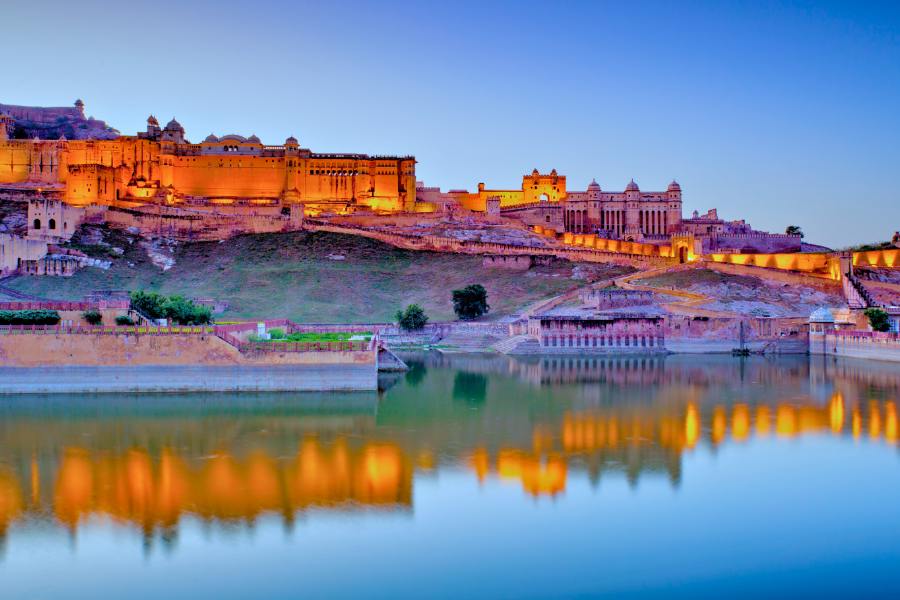
Amber Fort is among Jaipur's most impressive attractions. Perched on a hilltop, the fort combines Rajput and Mughal architectural styles. Its mirror palace, intricate carvings, and panoramic views attract visitors from around the world.
City Palace
Located in the heart of Jaipur, the City Palace remains partially occupied by the royal family. The complex includes museums, courtyards, and beautifully decorated halls showcasing royal artifacts.
Hawa Mahal
The iconic Hawa Mahal, or Palace of Winds, features 953 windows designed to allow royal women to observe street activities while maintaining privacy. Its honeycomb facade has become one of Jaipur's most recognizable landmarks.
Jantar Mantar
This UNESCO World Heritage Site houses astronomical instruments built in the eighteenth century. It demonstrates the scientific advancements achieved by Indian scholars centuries ago.
Best Time to Experience the Golden Triangle
| Season | Temperature | Travel Experience |
|---|---|---|
| October-March | 10°C to 25°C | Excellent |
| April-June | 30°C to 45°C | Hot |
| July-September | 25°C to 35°C | Monsoon |
Winter is considered the peak tourist season because the weather allows travelers to explore monuments comfortably. Summer months can be extremely hot, especially in Rajasthan. Monsoon season brings lush landscapes but occasional disruptions due to rainfall.
Transportation Between Cities
Private Cars
Private vehicles offer flexibility and convenience. Many tourists prefer chauffeur-driven cars, allowing them to relax while traveling between destinations.
Trains
India's railway network connects all three cities efficiently. Premium trains such as Gatimaan Express and Shatabdi Express provide comfortable journeys.
Domestic Flights
Flights are available, although road travel remains the preferred option because it allows visitors to enjoy the changing landscapes.
Guided Tours
Package tours simplify logistics by including accommodation, transportation, guides, and entrance tickets. These tours are especially popular among international travelers.
The convenience and accessibility of the Golden Triangle Tour make it suitable for people of all age groups.
Shopping Opportunities
Delhi
- Handicrafts
- Jewelry
- Textiles
- Spices
Agra
- Marble handicrafts
- Leather products
- Traditional sweets
Jaipur
- Gemstones
- Blue pottery
- Block-printed fabrics
- Silver jewelry
Cultural Experiences
- Watching folk dance performances.
- Enjoying traditional Rajasthani cuisine.
- Participating in cooking classes.
- Exploring bustling local markets.
- Riding rickshaws through Old Delhi.
- Taking photography tours.
Accommodation Options
Budget Hotels
Affordable and suitable for backpackers.
Mid-Range Hotels
Comfortable accommodations with modern amenities.
Luxury Heritage Properties
Former palaces converted into hotels offer royal experiences with exceptional hospitality.
Many visitors undertaking the Golden Triangle Tour choose heritage hotels to enjoy Rajasthan's regal charm and Mughal elegance.
Suggested 7-Day Itinerary
| Day | Destination | Major Attractions |
|---|---|---|
| Day 1 | Delhi | India Gate, Qutub Minar |
| Day 2 | Delhi | Red Fort, Jama Masjid |
| Day 3 | Agra | Taj Mahal, Agra Fort |
| Day 4 | Fatehpur Sikri and Jaipur | En route sightseeing |
| Day 5 | Jaipur | Amber Fort, City Palace |
| Day 6 | Jaipur | Hawa Mahal, Jantar Mantar |
| Day 7 | Return to Delhi | Departure |
Why First-Time Visitors Love This Journey
India can appear overwhelming to newcomers because of its size and diversity. The Golden Triangle Tour simplifies the experience by concentrating some of the country's greatest treasures within a manageable route.
Travelers can witness Mughal architecture, Rajput heritage, modern urban life, and traditional customs without extensive planning. The route also provides opportunities to interact with local communities, taste regional cuisine, and appreciate India's incredible diversity.
From the majestic Taj Mahal to Jaipur's royal palaces and Delhi's historic landmarks, every destination contributes to a journey filled with unforgettable experiences.
Conclusion
The Golden Triangle is much more than a travel circuit; it is a journey through centuries of history, culture, and architectural brilliance. Covering Delhi, Agra, and Jaipur, this iconic route showcases the essence of India in a way few other itineraries can. Whether you're fascinated by Mughal monuments, royal palaces, bustling markets, or culinary traditions, this experience offers something for everyone.
For first-time visitors, families, and seasoned travelers alike, the Golden Triangle Tour remains one of the finest ways to discover the beauty and diversity of India. Its combination of convenience, heritage, and unforgettable sights ensures that every traveler leaves with memories that last a lifetime.
Frequently Asked Questions
1. How many days are needed for the Golden Triangle Tour?
Most travelers spend 5 to 7 days exploring Delhi, Agra, and Jaipur.
2. Which cities are included in the Golden Triangle Tour?
The route includes Delhi, Agra, and Jaipur.
3. What is the best time to visit?
October to March offers the most pleasant weather for sightseeing.
4. Is the Golden Triangle suitable for first-time visitors to India?
Yes, it is considered the best introduction to India's culture, history, and architecture.
5. Can the itinerary be extended?
Yes, travelers often add destinations such as Ranthambore, Udaipur, Varanasi, or Jodhpur to enhance their journey.