What Should I See in Agra Besides the Taj Mahal?
September 10, 2026
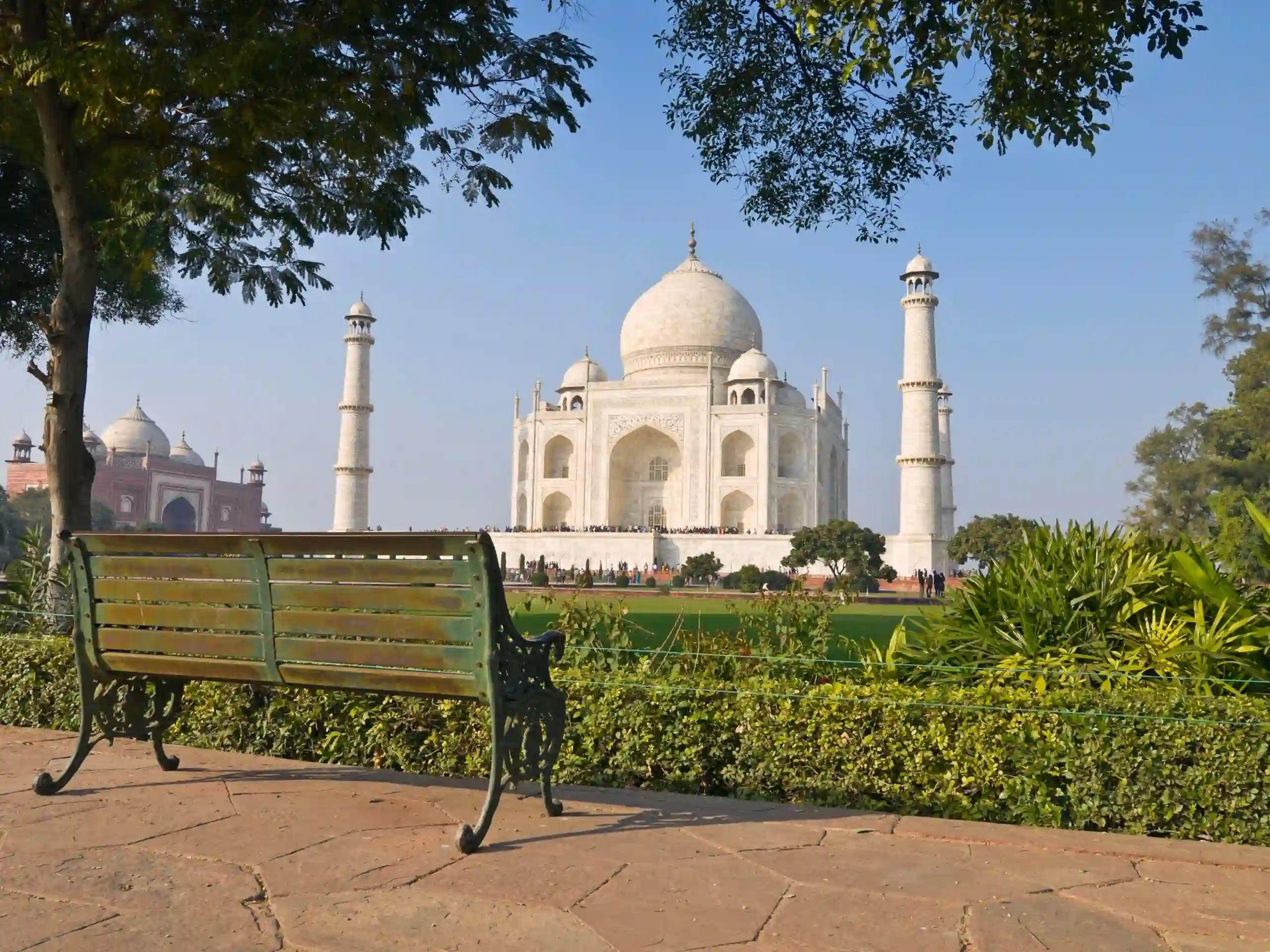
What Should I See in Agra Besides the Taj Mahal?
Agra is one of India's most fascinating historic cities, and there is much more to experience here than its most famous landmark. Travelers who spend only a few hours in the city often miss its impressive forts, Mughal gardens, historic tombs, colorful markets, traditional crafts, and delicious local food.
If you are wondering what to see in Agra besides the Taj Mahal, you have plenty of options. From the grand architecture of Agra Fort to the peaceful surroundings of Mehtab Bagh, Agra offers attractions for history lovers, photographers, families, culture enthusiasts, and food travelers.
The city was an important center of the Mughal Empire for several generations, and its streets still preserve traces of that remarkable period. Many attractions can be visited within a day, while others are ideal for travelers staying for two or more days.
This guide explores the best things to see and do in Agra beyond its most famous monument and explains how to create a well-balanced Agra sightseeing itinerary.
1. Explore the Magnificent Agra Fort
One of the most important places to visit in Agra is Agra Fort, a UNESCO World Heritage Site located only a short distance from the city's major tourist attractions.
Built primarily from red sandstone, the enormous fort complex contains palaces, courtyards, audience halls, mosques, gardens, and royal residences. Emperor Akbar began major construction of the fort in the 16th century, while later Mughal rulers expanded and modified many of its buildings.
Agra Fort is particularly interesting because it combines military architecture with luxurious royal spaces. As you walk through the complex, you can see how defensive walls transition into beautifully decorated palaces and private chambers.
The fort is also strongly connected with Shah Jahan. The emperor who commissioned the Taj Mahal spent his final years confined inside Agra Fort after being overthrown by his son Aurangzeb.
Plan to spend at least two hours exploring the complex. Comfortable footwear is recommended because there is considerable walking involved.
2. Enjoy the View from Mehtab Bagh
For travelers who enjoy photography and peaceful surroundings, Mehtab Bagh is an excellent place to visit.
This historic Mughal garden sits on the opposite side of the Yamuna River and provides a beautiful view toward the famous white marble monument. The garden was designed according to traditional Mughal landscaping principles, with pathways, greenery, and carefully planned spaces.
Mehtab Bagh is especially appealing around sunset. The changing light creates a beautiful atmosphere, while the river provides a natural foreground for photographs.
Unlike the busy areas surrounding the main tourist attractions, the garden can feel considerably more relaxed. It is an excellent choice if you want to slow down after visiting Agra's larger monuments.
Photography enthusiasts should consider visiting during the late afternoon when the light is softer. The garden is also a pleasant place to include in a two-day Agra itinerary.
3. Visit the Beautiful Itmad-ud-Daulah's Tomb
Often called the "Baby Taj," Itmad-ud-Daulah's Tomb is one of Agra's most elegant architectural attractions.
The tomb was commissioned by Nur Jahan for her father, Mirza Ghiyas Beg, and was constructed before the famous marble mausoleum. It is notable for its extensive use of white marble and delicate stone inlay decoration.
The monument is smaller than many of Agra's major attractions, but its detailed craftsmanship makes it especially rewarding to explore. Visitors can admire floral patterns, geometric designs, carved marble screens, and colorful stone inlays.
For architecture enthusiasts, this monument is important because it represents a significant stage in the evolution of Mughal architecture. Many design features later associated with grander Mughal buildings can be seen here in a more intimate form.
Because the tomb does not require as much time to explore as Agra Fort, it can easily be added to a busy sightseeing schedule.
4. Discover Akbar's Tomb at Sikandra
Located in the Sikandra area of Agra, Akbar's Tomb is another destination worth adding to your itinerary.
The tomb of Emperor Akbar sits within a large garden complex surrounded by impressive walls and gateways. The main entrance is decorated with intricate patterns and architectural details that immediately demonstrate the artistic sophistication of the Mughal period.
The tomb itself combines several architectural influences, reflecting Akbar's interest in different cultural and artistic traditions.
One advantage of visiting Akbar's Tomb is that it can be quieter than Agra's most famous attractions. This gives visitors more time to appreciate the architecture and landscaped surroundings without feeling rushed.
If you have two days in Agra, consider visiting Sikandra along with other attractions located away from the busiest tourist areas.
5. Experience Local Life Around Jama Masjid
Jama Masjid is located near Agra Fort and offers visitors a chance to see an important example of Mughal religious architecture.
The mosque was commissioned by Shah Jahan in the 17th century in honor of his daughter Jahanara Begum. Its red sandstone structure, marble details, large courtyard, and traditional architectural features make it an interesting stop for history lovers.
What makes the area especially interesting is its connection with everyday life in central Agra. The streets around the mosque are filled with shops, food stalls, markets, and local activity.
Visitors should remember that Jama Masjid remains a place of worship. Dress modestly, remove footwear when required, and follow local rules concerning photography and access.
Combining the mosque with Agra Fort and nearby markets can make for an efficient half-day sightseeing plan.
6. Wander Through Kinari Bazaar
If you want to experience Agra beyond its monuments, spend some time exploring Kinari Bazaar.
This lively market is located in the historic center and is known for its narrow lanes, colorful shops, handicrafts, textiles, jewelry, decorative items, religious products, sweets, and souvenirs.
Walking through the market provides a completely different perspective of the city. Instead of focusing on imperial architecture, you get to see local businesses, traditional shopping habits, street food, and everyday life.
Kinari Bazaar can become busy, particularly during peak shopping hours, so keep your belongings secure and allow yourself plenty of time to explore.
If you want to purchase souvenirs, compare prices before buying. Traditional handicrafts can vary considerably in quality and price.
The market is particularly enjoyable for travelers who want to bring home something connected with Agra's local culture.
7. Learn About Traditional Marble Inlay Craftsmanship
Agra has a long association with marble inlay craftsmanship, a decorative technique involving carefully cut pieces of colored stone fitted into marble.
Travelers interested in traditional arts can visit reputable local workshops to learn how artisans create these detailed designs. The process requires considerable patience and skill, with craftsmen shaping tiny pieces of stone before fitting them into carefully prepared marble surfaces.
Common products include decorative boxes, tabletops, panels, trays, and smaller souvenirs.
When purchasing a handmade product, ask about the materials and production process. Comparing several pieces can help you understand differences in quality and craftsmanship.
A visit to a workshop is particularly worthwhile if you want to learn about the artistic traditions that have helped define Agra's architectural heritage.
8. Spend Time at Ram Bagh
For a quieter sightseeing experience, consider visiting Ram Bagh, one of the historic Mughal gardens in Agra.
The garden is associated with Babur, the founder of the Mughal dynasty, and reflects the formal garden traditions that became an important part of Mughal landscape architecture.
Ram Bagh is different from Agra's massive forts and tombs. Its appeal comes from its greenery, pathways, geometric planning, and peaceful atmosphere.
It is a good place to take a break from intensive sightseeing. Travelers interested in landscape architecture and Mughal history will also appreciate its historical importance.
Visit during the cooler parts of the day for a more comfortable experience, especially if you are traveling during warmer months.
9. Take a Trip to Fatehpur Sikri
If you have additional time, Fatehpur Sikri is one of the best excursions from Agra.
Located around 40 kilometers from Agra, this historic city was established by Emperor Akbar in the 16th century and served as his imperial capital for a period.
Unlike a single monument, Fatehpur Sikri is an extensive architectural complex containing courtyards, palaces, administrative buildings, religious structures, and impressive gateways.
Some of the most notable attractions include Buland Darwaza, Jama Masjid, Panch Mahal, Diwan-i-Khas, and the Tomb of Salim Chishti.
The red sandstone architecture gives the city a distinctive appearance, while the layout provides insight into Mughal urban planning and royal life.
Fatehpur Sikri is best visited when you have at least half a day available. Trying to combine it with too many attractions in central Agra can make your itinerary unnecessarily rushed.
10. Visit Wildlife SOS
Travelers interested in wildlife conservation can consider visiting Wildlife SOS, located outside central Agra.
The organization is known for its conservation and animal rescue work, including efforts involving rescued elephants and bears. It provides an alternative to the city's historical attractions and can be particularly appealing to families.
Because Wildlife SOS operates as a conservation facility rather than a traditional zoo, visitor experiences and schedules may be subject to specific arrangements.
Check current visiting information before planning your trip and allow additional transportation time because the facility is outside central Agra.
11. Try Agra's Famous Local Food
Sightseeing is only part of the Agra experience. Food lovers should also make time to explore the city's local cuisine.
One of Agra's best-known specialties is petha, a traditional sweet made from ash gourd. It is available in many varieties, including traditional and flavored versions.
You can also try Mughlai cuisine, kebabs, North Indian breads, curries, vegetarian dishes, and other regional specialties.
For travelers who enjoy food experiences, visiting an established local restaurant or food market can add another cultural dimension to the trip.
If you are traveling with children or have dietary restrictions, check ingredients before ordering and choose restaurants that maintain good hygiene standards.
12. Explore Agra's Historic Streets
One of the easiest ways to discover another side of Agra is simply to spend some time walking or traveling through its older neighborhoods.
The historic parts of the city contain traditional buildings, small shops, markets, food stalls, workshops, and busy streets. These areas show how modern Agra has developed around its centuries-old heritage.
A local guide can make this experience more meaningful by explaining the history of different neighborhoods and pointing out architectural details that you might otherwise overlook.
For photographers, the older streets can provide opportunities to capture everyday scenes, traditional crafts, architecture, and local culture.
How Many Days Do You Need in Agra?
A one-day Agra itinerary is enough to see the city's most important attractions, but you will need to organize your time carefully.
A typical day can begin with the city's famous monument early in the morning, followed by Agra Fort. After lunch, visit Itmad-ud-Daulah's Tomb and finish at Mehtab Bagh or a local market.
If you have two days in Agra, you can slow down and include additional attractions such as Akbar's Tomb, Ram Bagh, Kinari Bazaar, marble workshops, and Fatehpur Sikri.
Two days are particularly useful for travelers who want a combination of history, culture, shopping, food, and photography rather than simply checking monuments off a list.
Best Time to Explore Agra
The cooler months from October to March are generally comfortable for sightseeing. Winter mornings can sometimes be foggy or chilly, but daytime conditions are usually more pleasant for exploring outdoor monuments.
Summer can be very hot, so plan major outdoor visits for early morning and late afternoon whenever possible. Carry drinking water, sunscreen, sunglasses, and comfortable clothing.
The monsoon season can bring rain and humidity, although the greener surroundings can make some gardens particularly attractive.
Whatever season you choose, comfortable walking shoes are essential. Many Agra attractions involve large courtyards, gardens, pathways, and stairs.
Practical Tips for Sightseeing in Agra
Planning ahead can make your Agra trip much more enjoyable. Start your day early, especially during warmer weather, and leave some flexibility between attractions for traffic.
If you plan to visit Fatehpur Sikri or Wildlife SOS, allow additional travel time. Avoid creating an itinerary that leaves no room for delays.
Respect local customs when visiting religious sites. Dress appropriately and follow instructions regarding footwear and photography.
For shopping, compare prices before purchasing handicrafts. If you are interested in marble inlay products, ask questions about the materials and craftsmanship.
Finally, do not make your itinerary so busy that you cannot enjoy the places you visit. Agra is a city where taking time to appreciate architectural details, local food, markets, and gardens can be just as rewarding as visiting its major monuments.
Conclusion
Agra is a destination with far more depth than many first-time visitors expect. While the Taj Mahal remains an essential part of the city's identity, attractions such as Agra Fort, Mehtab Bagh, Itmad-ud-Daulah's Tomb, Akbar's Tomb, Jama Masjid, Ram Bagh, and Fatehpur Sikri reveal a much larger story of Mughal history and Indian culture.
A well-planned Agra trip should combine major historical sites with opportunities to experience local markets, traditional crafts, gardens, cuisine, and everyday life.
Whether you have one day or two days, look beyond the most famous landmark. Explore the old streets, admire the craftsmanship of local artisans, taste petha, walk through a Mughal garden, and take time to understand the history behind the city's impressive architecture.
By doing so, you can experience Agra as more than a place with one world-famous monument. You can discover a historic, cultural, and living city with plenty of memorable experiences of its own.