Where Can You Experience the Best Wildlife Safaris in India?
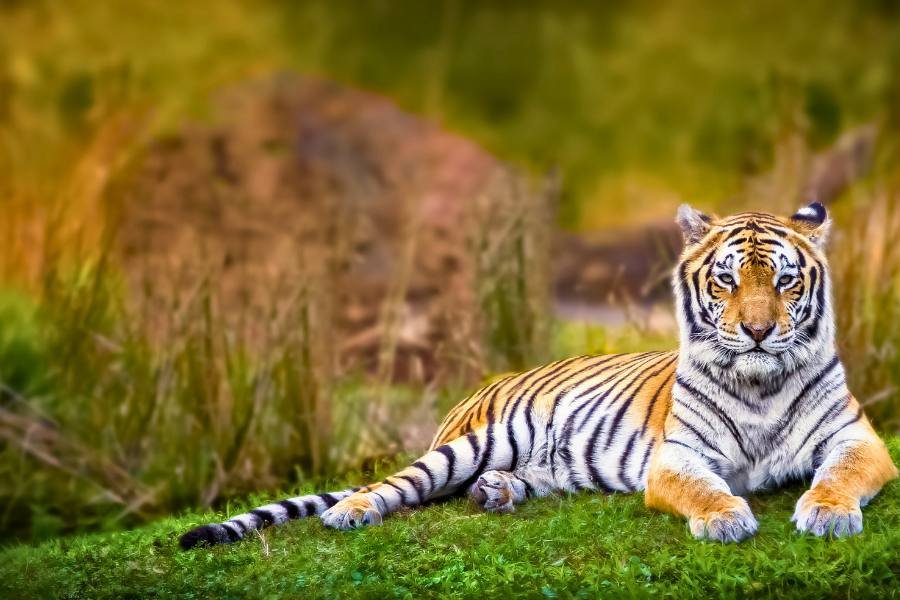
India is one of the most exciting destinations in the world for wildlife lovers, offering an incredible variety of landscapes, national parks, and rare animal species. From the dense forests of Madhya Pradesh to the grasslands of Assam and the dry landscapes of Rajasthan, the country provides countless opportunities to experience nature in its most fascinating form. Whether you dream of spotting a Bengal tiger in the wild, watching Asian elephants move through lush forests, or observing a one-horned rhinoceros grazing in open grasslands, India's national parks offer unforgettable adventures for travelers of all ages.
The best Wildlife Safaris in India combine thrilling animal encounters with opportunities to discover the country's diverse ecosystems and natural heritage. Famous destinations such as Ranthambore National Park, Jim Corbett National Park, Kaziranga National Park, Bandhavgarh National Park, and Kanha National Park attract visitors from across the globe. Each destination offers a different experience depending on its landscape, wildlife population, safari options, and seasonal conditions.
Planning a successful wildlife trip involves more than choosing a popular national park. You also need to consider the best time to visit, safari availability, accommodation, travel routes, and responsible wildlife practices. This guide explores some of India's finest safari destinations and explains how to choose the right experience for your next adventure.
1. Ranthambore National Park, Rajasthan
Ranthambore National Park is one of India's most recognizable wildlife destinations, particularly among travelers hoping to see Bengal tigers in their natural habitat. Located in Rajasthan's Sawai Madhopur district, the park combines dry deciduous forests, rocky hills, open grasslands, and seasonal lakes. These varied landscapes provide habitats for tigers, leopards, sloth bears, deer, crocodiles, and numerous bird species.
One of Ranthambore's most distinctive features is its historic fort, which overlooks parts of the surrounding landscape. Ancient ruins, forest trails, and lakes create a remarkable setting for wildlife photography. During a safari, visitors may see spotted deer grazing near water bodies, langurs moving through trees, or crocodiles resting along the banks. Tiger sightings are possible, but they depend on animal movements, weather, and luck rather than any guarantee.
The park generally offers jeep and larger canter safaris through designated zones, subject to current regulations and availability. Booking permits in advance is advisable, especially during holidays and the busy winter season. The cooler months are comfortable for exploring the reserve, while warmer weather can sometimes improve visibility near water sources.
Ranthambore is an excellent choice for first-time safari travelers who want a combination of wildlife viewing, photography, and historical attractions. Visitors can also explore nearby heritage sites and traditional Rajasthani markets, making it easy to combine nature with cultural sightseeing.
2. Jim Corbett National Park, Uttarakhand
Jim Corbett National Park is one of India's best-known protected areas and a popular destination for travelers interested in forests, river landscapes, and Himalayan foothill wildlife. Located in Uttarakhand, the park forms part of a larger tiger conservation landscape and is known for its varied terrain, including sal forests, grasslands, rivers, and wooded hills.
The park is home to Bengal tigers, Asian elephants, leopards, deer, crocodiles, and many bird species. Birdwatchers may encounter kingfishers, eagles, hornbills, and other birds depending on the season and habitat. The combination of forest cover and open areas makes the reserve appealing to visitors who enjoy observing a broad range of wildlife rather than focusing exclusively on tigers.
Different tourism zones offer different experiences, and access depends on seasonal schedules, permit availability, and local regulations. Dhikala is particularly well known for its grasslands and riverine scenery, although access arrangements can differ from those of other zones. Visitors should check the latest official information before booking a safari or an overnight stay inside the reserve.
The period from November to June is commonly considered useful for planning a visit, but individual zones may operate on different schedules, especially during the monsoon. Always confirm current opening dates and road conditions before traveling.
3. Kaziranga National Park, Assam
Kaziranga National Park is one of India's most remarkable wildlife destinations, particularly famous for its population of the greater one-horned rhinoceros. Located in Assam, the park features extensive grasslands, wetlands, and patches of tropical forest that support an extraordinary range of wildlife. Its distinctive landscape and conservation importance have earned it recognition as a UNESCO World Heritage Site.
The park's rhinos are its biggest attraction, but visitors may also encounter wild water buffalo, elephants, swamp deer, and several other mammal species. Tigers live in the wider ecosystem as well, although dense vegetation means sightings can be unpredictable. Kaziranga is also an outstanding destination for birdwatchers, with wetlands attracting numerous resident and migratory birds.
Jeep safaris are a popular way to explore designated tourism areas, subject to current access rules. Other safari options may be available under specific regulations. Travelers should verify the latest authorized activities before planning their visit and prioritize animal welfare when choosing experiences.
The main tourism season generally falls between autumn and spring, with exact opening dates determined by local conditions and official decisions. Heavy monsoon flooding can affect accessibility, so confirm the park's operating status before booking travel.
4. Bandhavgarh National Park, Madhya Pradesh
Bandhavgarh National Park is a leading destination for travelers hoping to see Bengal tigers in central India. Located in Madhya Pradesh, the reserve contains dense forests, bamboo vegetation, rocky hills, and grassland clearings. These habitats support a wide variety of mammals and birds, making the park attractive to wildlife photographers and nature enthusiasts.
Bandhavgarh is widely known for its tiger-viewing opportunities, although sightings can never be guaranteed. Visitors may also spot leopards, wild boar, spotted deer, sambar deer, langurs, and other forest-dwelling animals. The changing terrain creates different viewing conditions throughout the park, and an experienced naturalist can help identify animal tracks, calls, and signs of activity.
Safari permits are generally issued for specific routes or zones, and the choice of zone can affect the kind of landscape you explore. Ask authorized operators about current access conditions and select an itinerary that suits your interests rather than assuming one zone will always produce better sightings.
Bandhavgarh is a strong choice for photographers and travelers whose primary goal is a tiger safari. Consider staying for at least two or three safari drives if your budget allows. Multiple outings increase your opportunities to observe wildlife, although they do not guarantee a sighting.
5. Kanha National Park, Madhya Pradesh
Kanha National Park is famous for its beautiful sal forests, rolling meadows, bamboo groves, and rich biodiversity. Located in Madhya Pradesh, it is one of India's important tiger conservation areas and has played a significant role in protecting the hard-ground barasingha, also known as the swamp deer.
The park's open meadows are especially appealing to wildlife enthusiasts because they provide opportunities to observe animals against expansive natural backgrounds. Depending on conditions, visitors may see tigers, leopards, gaur, wild dogs, spotted deer, sambar deer, and numerous bird species. The landscape also makes Kanha an excellent destination for photographers who appreciate scenic compositions as much as individual animal sightings.
Kanha's safari system operates through designated zones and authorized routes. Booking ahead is advisable during the peak tourist season, and visitors should follow all rules concerning vehicle movement, noise, and wildlife encounters. A knowledgeable guide can explain the park's ecology and help identify animals that might otherwise remain unnoticed.
October through April is often a comfortable period for visiting, although seasonal conditions and tourism arrangements can vary. Summer may provide different viewing opportunities as vegetation becomes less dense in some areas, but temperatures can be high.
6. Gir National Park, Gujarat
Gir National Park and its surrounding protected landscape are internationally important because they are the last natural stronghold of the Asiatic lion. Located in Gujarat, the region offers a rare opportunity to learn about one of the world's most remarkable big-cat conservation successes.
Unlike Bengal tiger reserves, Gir is known primarily for its lions. The wider ecosystem includes dry deciduous forest, scrubland, grasslands, and water bodies that support leopards, spotted deer, sambar deer, antelope, crocodiles, and numerous birds. The combination of open terrain and wooded areas creates a distinctive safari experience.
Visitors generally explore authorized tourism areas through regulated safari arrangements. Because Gir is a sensitive conservation landscape, entry permits, routes, and operating schedules must be checked through official channels before travel. The park's tourism season and closure periods can change, so confirm the latest dates before making non-refundable plans.
Gir is an excellent destination for travelers who have already visited tiger reserves and want to discover another iconic Indian predator. Observing Asiatic lions in their natural habitat can be memorable, but responsible tourism is essential to ensure that wildlife remains protected and undisturbed.
7. Periyar Wildlife Sanctuary, Kerala
Periyar Wildlife Sanctuary, located in Kerala's Western Ghats, offers a different kind of wildlife experience from the dry forests and grasslands of northern and central India. The reserve is known for its evergreen forests, rolling hills, spice-growing surroundings, and scenic Periyar Lake. Its lush environment supports elephants, gaur, sambar deer, wild boar, and a variety of bird species.
Unlike destinations primarily marketed around tiger sightings, Periyar offers opportunities to experience forest ecosystems through several nature-based activities. Depending on current regulations and availability, visitors may be able to participate in guided nature walks, boat-based wildlife observation, or organized eco-tourism programs. Each activity provides a different perspective on the reserve's ecology.
Elephants are among the animals visitors hope to see, particularly near forest edges and water bodies. However, wildlife moves freely through the landscape, and sightings are never guaranteed. Dense vegetation can make animals difficult to spot, which is part of the appeal for visitors who enjoy the atmosphere and sounds of a tropical ecosystem.
Periyar is an excellent option for travelers who want a combination of wildlife, greenery, and responsible nature tourism. It can also be combined with a broader Kerala itinerary featuring hill stations, plantations, and cultural attractions.
8. Sundarbans National Park, West Bengal
Sundarbans National Park is one of India's most unusual wildlife destinations, known for its vast mangrove forests, tidal waterways, and remarkable coastal ecosystem. Located in West Bengal, the Sundarbans form part of the world's largest mangrove forest region, extending across India and Bangladesh. Its intricate network of creeks, islands, and mudflats creates a habitat unlike those found in most other Indian national parks.
The region is famous for its Royal Bengal tigers, which have adapted to a challenging mangrove environment. However, spotting a tiger here is difficult because the forest is dense, visibility is limited, and much of the tourism experience takes place on waterways. Visitors may also observe estuarine crocodiles, spotted deer, water monitors, and a variety of birds, depending on the route and conditions.
Boat-based excursions are central to exploring the Sundarbans, and access is controlled by designated routes and local regulations. Travelers should book through authorized operators, follow safety instructions, and avoid any activity that promises guaranteed tiger sightings or encourages disturbance to wildlife.
The Sundarbans is best suited to travelers who appreciate remote landscapes, wetlands, and patient wildlife observation. The waterways, birdlife, and conservation story can be just as rewarding as seeing a large mammal.
9. Best National Parks for Different Wildlife Experiences
Choosing the right national park depends on the animals you most want to see, the landscape you prefer, and the amount of time available for your trip. Some destinations are particularly well known for tiger safaris, while others offer distinctive experiences involving rhinos, Asiatic lions, elephants, or wetland wildlife.
| National Park | Best Known For | State | Ideal For |
|---|---|---|---|
| Ranthambore National Park | Bengal tigers and historic ruins | Rajasthan | First-time safari travelers |
| Jim Corbett National Park | Tigers, elephants, and forest landscapes | Uttarakhand | Families and nature enthusiasts |
| Kaziranga National Park | Greater one-horned rhinoceros | Assam | Rhino viewing and birdwatching |
| Bandhavgarh National Park | Bengal tiger habitat | Madhya Pradesh | Wildlife photographers |
| Kanha National Park | Tigers, barasingha, and meadows | Madhya Pradesh | Landscapes and diverse wildlife |
| Gir National Park | Asiatic lions | Gujarat | Lion-focused wildlife trips |
| Periyar Wildlife Sanctuary | Elephants and tropical forests | Kerala | Nature walks and forest experiences |
| Sundarbans National Park | Mangrove ecosystem and Royal Bengal tigers | West Bengal | Boat-based wildlife exploration |
This comparison provides a starting point rather than a guarantee of particular animal sightings. Each reserve has its own terrain, tourism regulations, and seasonal conditions, and wildlife movements can change from day to day. If you have a specific species in mind, research its habitat and choose a reserve known for conserving that animal.
10. Best Time to Enjoy Wildlife Safaris in India
The best time to plan Wildlife Safaris in India depends on the destination, climate, and type of wildlife experience you want. Many tiger reserves in central and northern India attract visitors during the cooler months, especially from October to March, when daytime conditions are often comfortable. The warmer months can offer different viewing opportunities in some reserves as vegetation becomes less dense, but temperatures may become uncomfortable.
Kaziranga and other northeastern parks may have seasonal closures or changes in accessibility because of monsoon flooding. The Sundarbans can also be affected by weather and tidal conditions, while forest activities in Kerala may be influenced by heavy rainfall. Each park follows its own tourism calendar, so check official operating dates rather than assuming all national parks remain open throughout the year.
Festive periods, school holidays, and long weekends can increase demand for safari permits and accommodation. Booking in advance helps you secure preferred dates and departure times, particularly at popular tiger reserves. If your travel dates are flexible, consider visiting outside the busiest holiday periods.
For the best experience, plan more than one safari drive when your budget and schedule permit. Wildlife is unpredictable, and additional outings give you more chances to observe animals in different habitats. A successful safari includes learning about the ecosystem and enjoying the natural environment, not simply counting sightings.
11. Tips for Planning a Responsible Wildlife Safari
A memorable wildlife trip begins with realistic expectations and respect for nature. Before choosing a safari, review the park's official rules, permit requirements, entry times, and authorized transport options. Book through recognized channels and avoid operators who promise guaranteed sightings, offer unauthorized access, or encourage activities that disturb animals.
During the safari, follow your guide's instructions and remain quiet when observing wildlife. Loud conversations, music, feeding animals, and attempts to attract their attention can disrupt natural behavior. Keep a respectful distance from animals, never ask drivers to block their movements, and avoid littering the forest.
Bring binoculars if you have them, along with a camera, sun protection, comfortable clothing, and drinking water. Neutral-colored clothing can be practical in forest environments, although there is no need to purchase specialized safari gear for an ordinary visit. Early-morning and late-afternoon drives can feel cold in some seasons, so a light jacket may be useful.
Finally, choose accommodation and tour providers that respect local regulations and conservation principles. Support local communities where possible, follow waste-management guidelines, and remember that protected areas are wildlife habitats first and tourist destinations second. Responsible travel helps preserve these extraordinary landscapes for future generations.
Conclusion
India offers an extraordinary range of wildlife experiences, from watching Bengal tigers in the forests of Ranthambore and Bandhavgarh to observing one-horned rhinoceroses in Kaziranga and Asiatic lions in Gir. Jim Corbett and Kanha provide diverse forest landscapes, Periyar introduces visitors to the tropical ecosystems of the Western Ghats, and the Sundarbans offers a unique journey through mangrove waterways.
The best Wildlife Safaris in India are those that match your interests, schedule, and expectations while respecting the natural environment. Research your chosen destination, check current safari availability, book permits in advance, and allow enough time for more than one wildlife excursion if possible. Most importantly, approach every safari with patience and curiosity. Even when a particular animal remains hidden, the sounds of the forest, the movement of birds, and the beauty of the landscape can make the experience unforgettable.
Frequently Asked Questions (FAQs)
1. Which national park is best for tiger safaris in India?
Ranthambore, Bandhavgarh, Kanha, and Jim Corbett are popular choices for tiger safaris. The best option depends on your travel route, preferred landscape, available permits, and trip duration. Tiger sightings are never guaranteed, even in well-known reserves.
2. What is the best month for wildlife safaris in India?
The ideal month varies by destination. October through March is often comfortable for visiting many reserves, while warmer months can offer different viewing conditions in some tiger habitats. Always check the park's current opening schedule and seasonal weather before booking.
3. Which Indian national park is best for seeing rhinoceroses?
Kaziranga National Park in Assam is particularly famous for its greater one-horned rhinoceroses. Its grasslands and wetlands provide important habitat for the species, along with elephants, wild water buffalo, deer, and many birds.
4. How many days should I plan for a wildlife safari?
A two- to three-day stay is a useful starting point for many national parks, especially if you want to experience multiple safari drives. Longer trips may be worthwhile for remote destinations or travelers interested in photography and birdwatching.
5. Are wildlife safaris in India suitable for families?
Yes, many national parks welcome families, although minimum-age rules, vehicle arrangements, and activity restrictions can vary. Choose a destination with suitable accommodation and convenient transport, follow the park's safety guidance, and prepare children for the fact that wildlife sightings are unpredictable.